如何入手第一套N規鐵道模型? Micro Ace 103系試試作冷房車 (後期) 山手線
之前寫過一篇N規入門的教學文,今次我嘗試以新手角度去解答一下入手n比例鐵道模型的種種問題,並會介紹我用來「操車」的Micro Ace A7752 103系試作冷房車 (後期) 山手線鐵道模型。
由於網絡上太多資訊,討論區亦高手雲集,針對新手的懶人包少之有少。年幾前我仍然是新手時,對究竟要買那套火車模型成為第一套車掙扎了很長時間,最終都是買TOMIX 90949 Set A路軌、控制器加火牛套裝,再買Kato 10-847/848 E259 NEX為第一套車,這個配搭的確有點複雜,因為不論TOMIX還是Kato都有連基本Set的新手套裝,價錢低至數百元有找,只是當時車款不合心水。Tomix另外90095 DF200入門套裝,但FG17搖控太入門,N-600控制器方便未來擴展之用。另外迷你套裝亦不太建議,最起碼的C280/C317才能滿足大車的行駛要求,圈太小大車會過不了。無論你用那套控制器,因為原生對應日本市場,所以只配兩腳插頭,需要轉插滿足香港的三腳插要求。
至於Tomix還是Kato系統?這個因人而異,Tomix花臣較多,Kato則一步到位,但要留意兩者控制器並不兼容。車方面,很多人都指Kato火車造工較Tomix優勝,這有一定道理,特別在車扣方面,Tomix的L型扣令像真度大為失色,反而Kato密扣令車卡與車卡的空隙不太多。不過,如果玩新幹線的話Tomix全車通電會佔優,而Micro Ace及Greenmax則有冷門車款,見仁見智。至於所謂的基本及增結,就是指基本車卡(通常三至四卡)及附屬車卡,如果純粹玩車的話基本只有車頭、車尾及動力車卡,而增結就是其餘車卡,如TOMIX 98525 E235-0系山手線就只有四卡,要組成全編11卡則需購入98526增結A及98526增結B,但未必須。
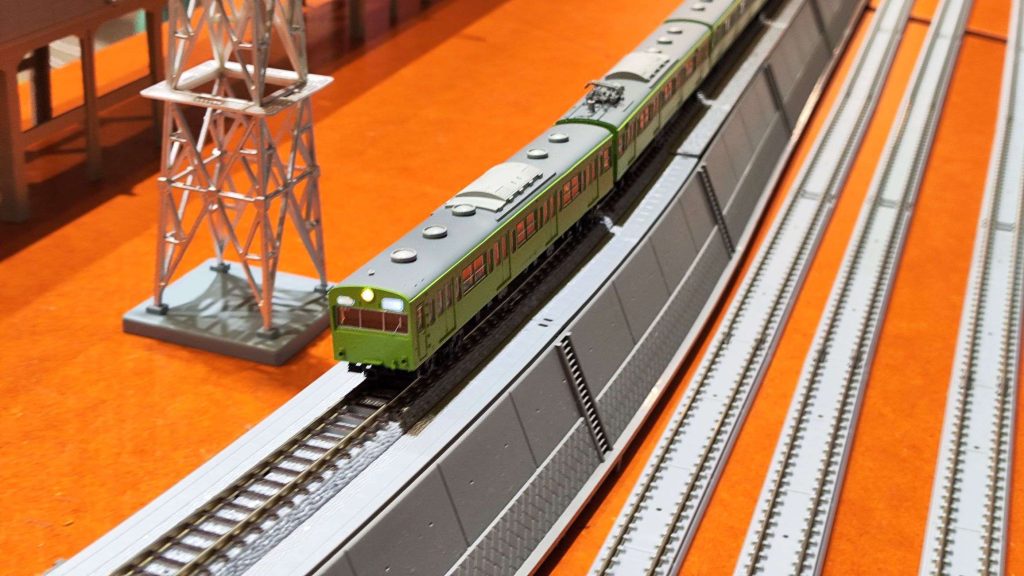
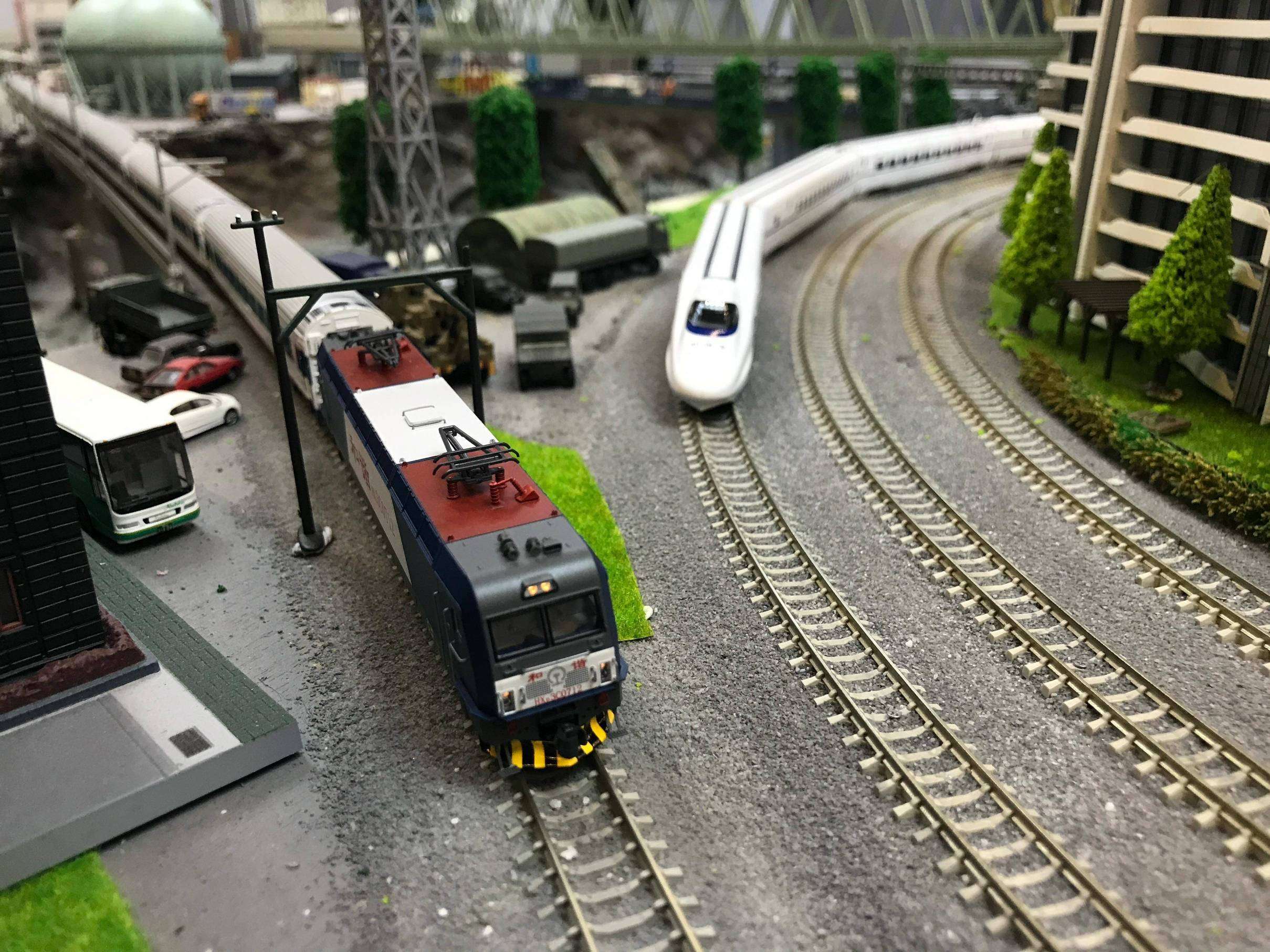
只要將路軌砌好,再插入導電金屬片與控制器連接即可通電,入門玩家建議用落軌尺擺放火車在路軌上,動力由動力卡提供,前後車卡有車燈或路線牌可以亮燈,玩家可以控制行車方向及速度,更進階可以安裝車內燈,提供更多不同玩法。不過單純繞圈可能會有點悶,玩家可以加入其他如支線、車站等變化。
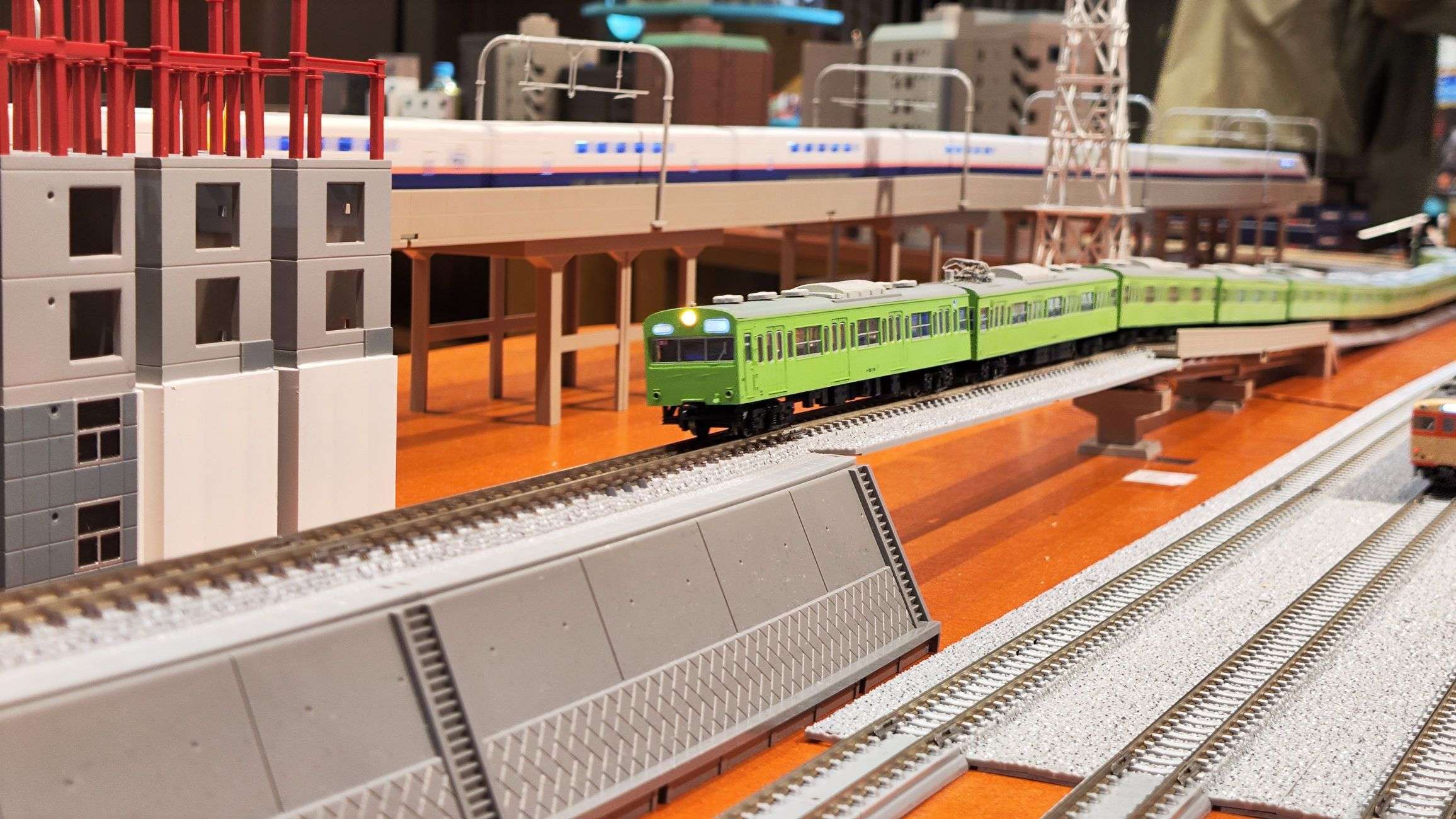
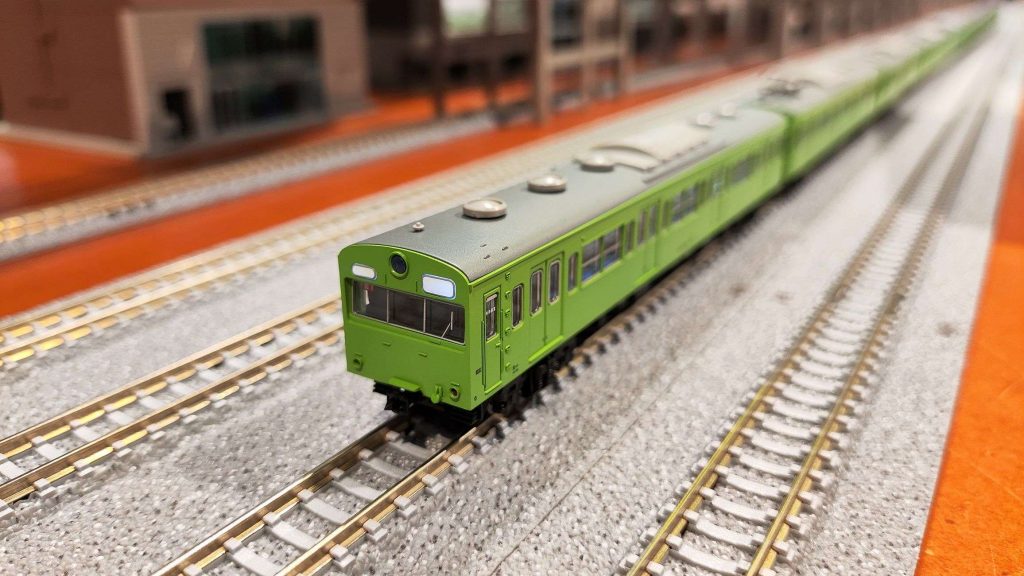
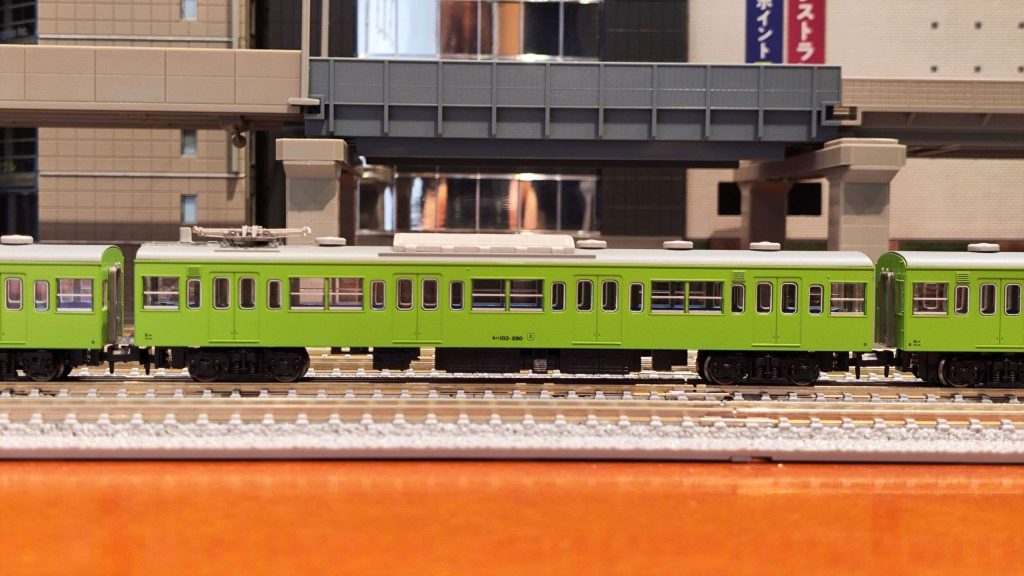
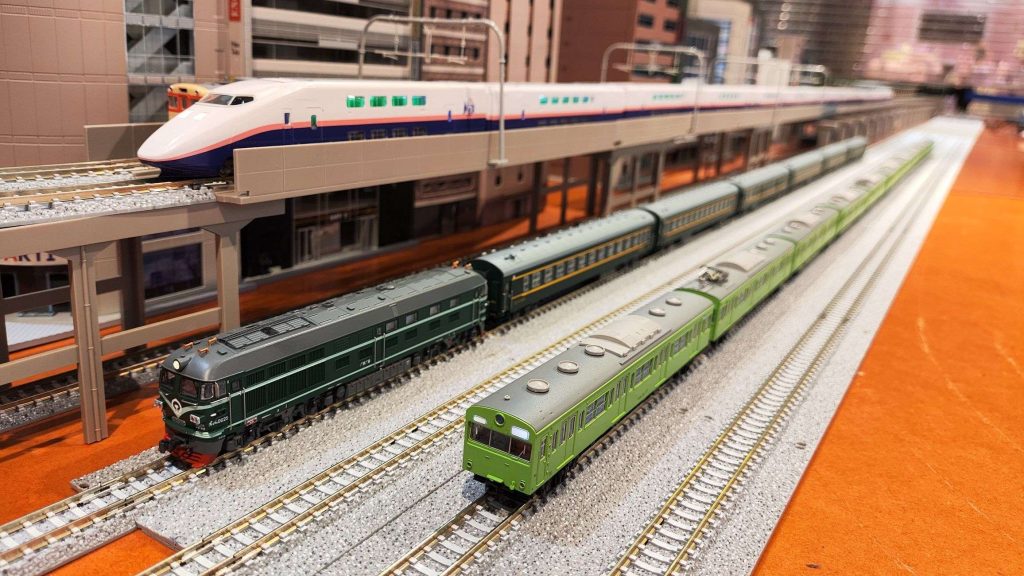
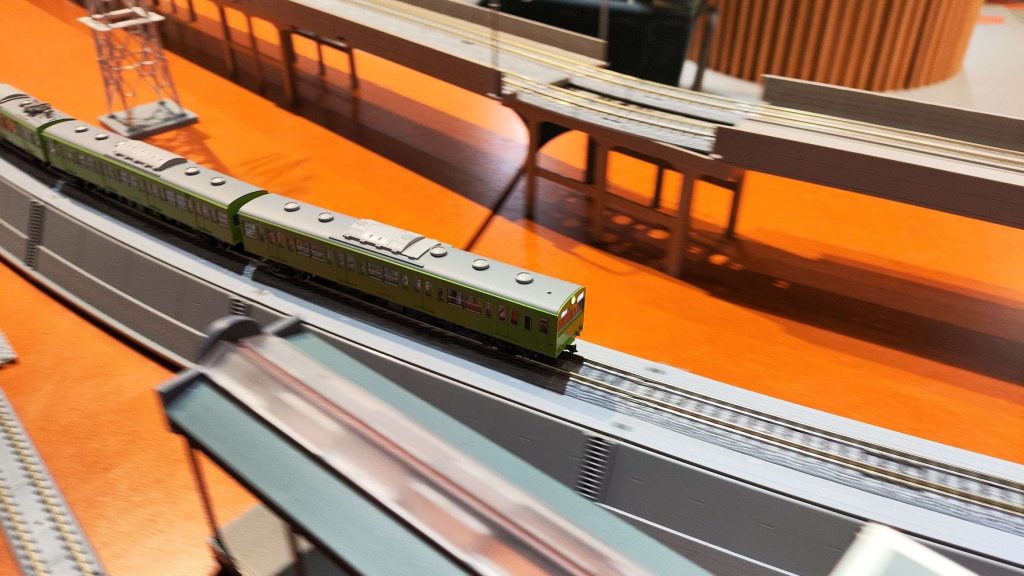
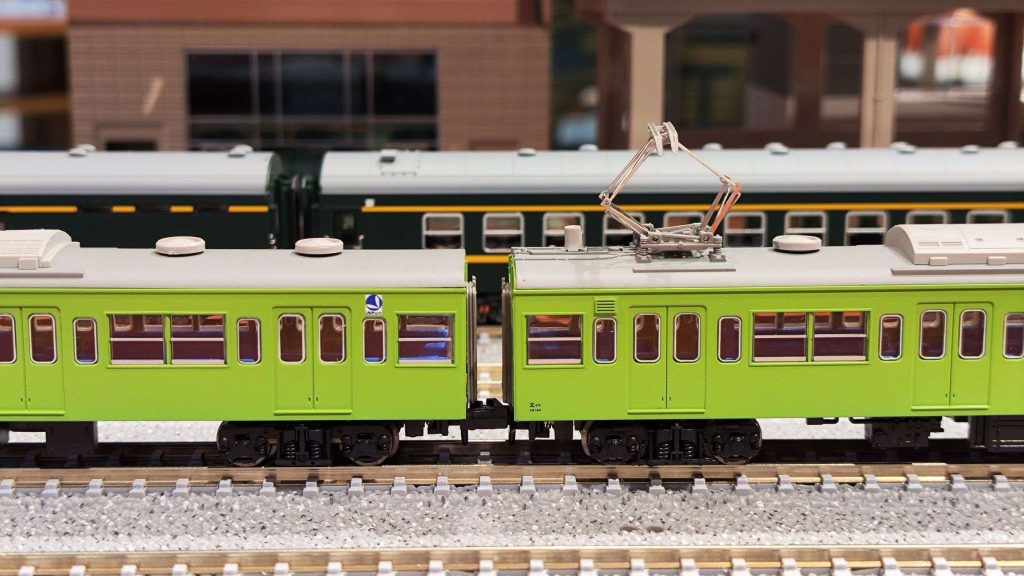
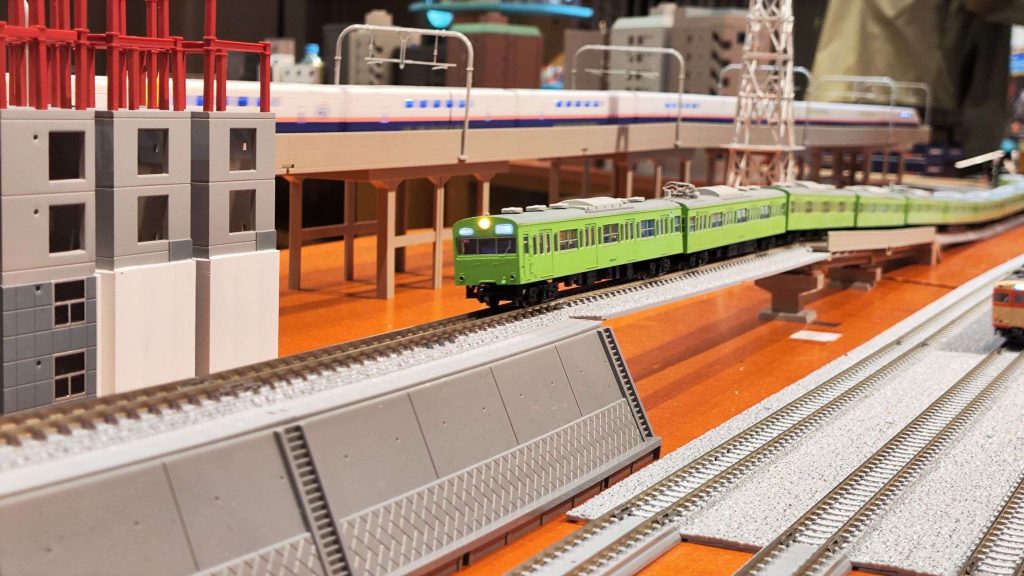
不同人有不同玩車方法,最初我放置了Set A及B,便想全天侯有火車行駛,因此價格實惠的Micro Ace A7752 103系試作冷房車 (後期) 山手線鐵道模型 (マイクロエース Nゲージ 103系 試作冷房車 (後期) ウグイス 山手線 10両セット A7752 鉄道模型 電車)便成為「操車」的對象,103系試作冷房車是日本國鐵為測試空調系統而開發的電聯車,於1970年投入山手線運行。此列車最具特色的是搭載了東芝製AU73X、日立製AU74X及三菱製AU75X三種不同製造商的集中式空調系統進行比較測試,最終選定三菱製AU75X作為量產型號。列車配置為10節車廂編成,內含各種測試用空調設備,並於1978年統一更換為量產型AU75,標誌著原有特色空調設備的消失。
特別版的山手線103系以烏鶯色(ウグイス色)為特色,基於2012年8月出貨的7750/51型號進行變化設計,推出了多種版本。新創作的模型包括サハ103-307、モハ103-281及クハ103-178,這些版本配備了兩種類型的改良冷氣機,進一步提升了乘客的舒適體驗。
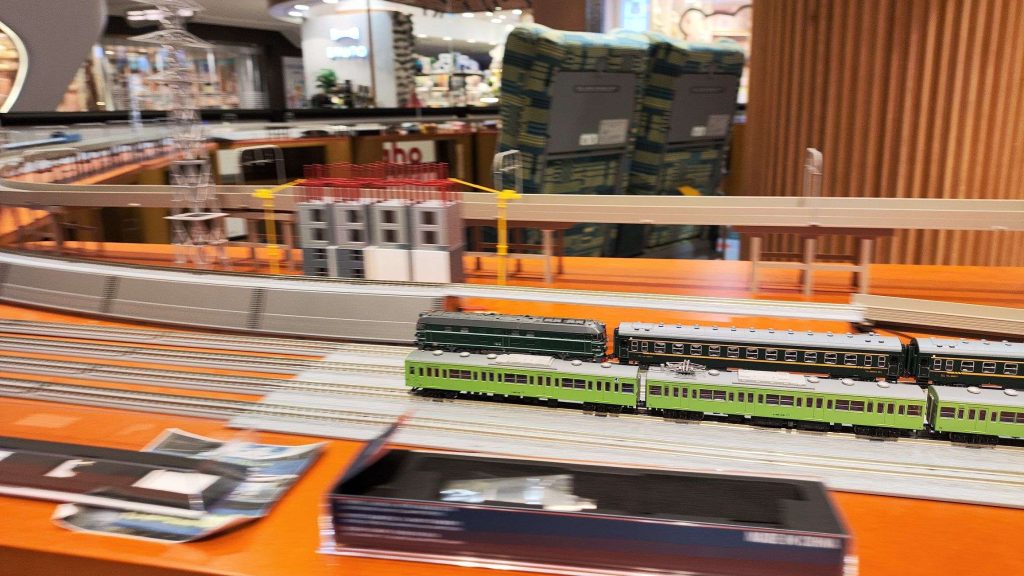
如果買103系的話Tomix及Kato均有選擇,但Micro Ace這套勝在夠平,不用1,000元便能入手10卡列車,平均不用100元每卡,因此作為每天行駛7至8小時的n比例火車,實屬不二之選。即使去運轉場亦不怕心痛。
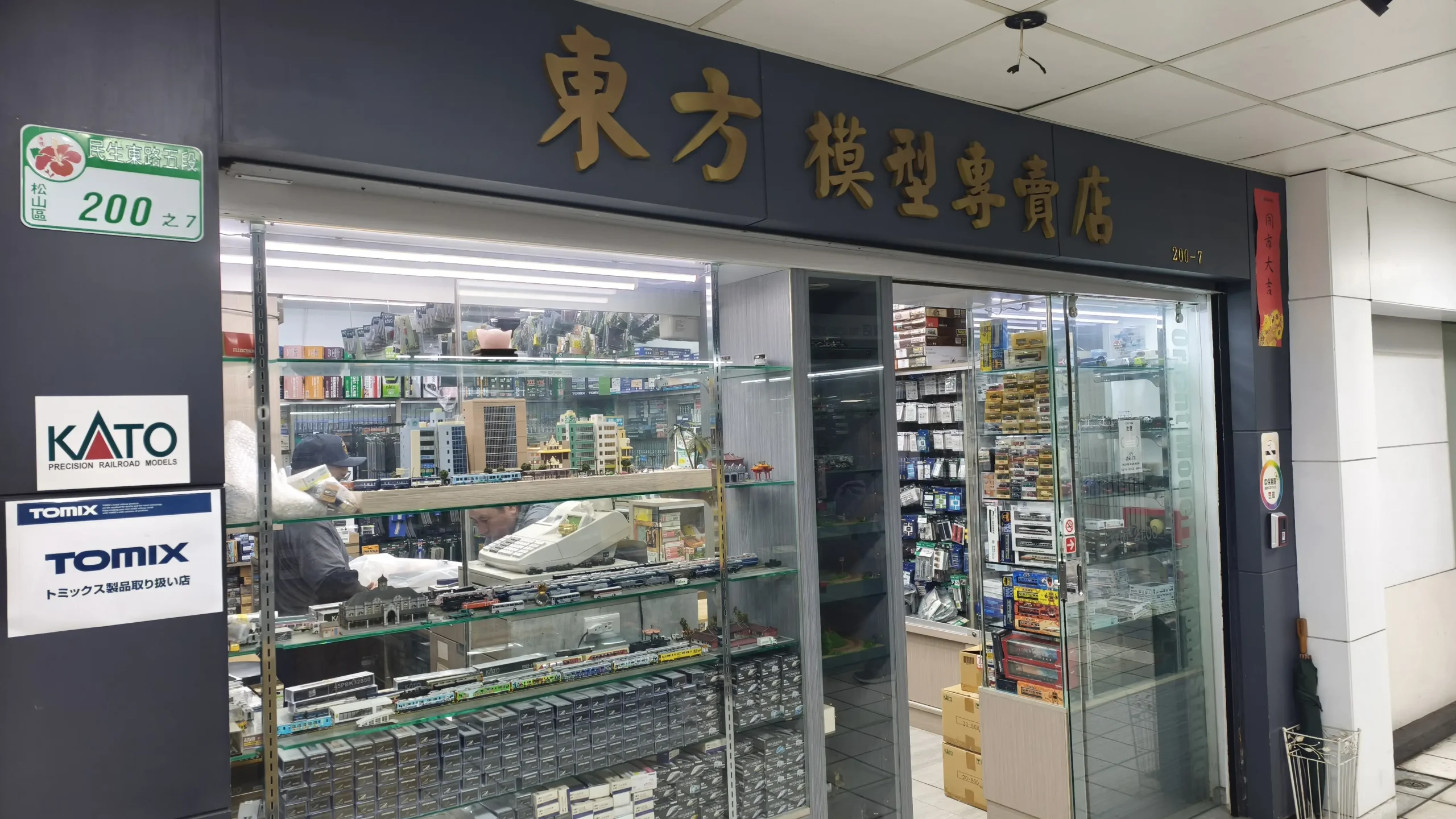
在香港購買鐵道模型的地方不多,港島區有Beanbean store豆豆士多,尖沙咀、觀塘、荃灣有Khaho 咔好鐵道模型,牛頭角有Network Shuttle 鐵道駅,青衣則為Hobby Nana Café,他們的價格有時較Amazon甚至日本本土更低,加上有專人講解,值得花些時間做功課再入手。
How to Get Your First N-Scale Railway Model? Micro Ace 103 Series Prototype Air-Conditioned Car (Later Version) Yamanote Line
Previously, I wrote a beginner’s guide to N-scale modeling. This time, I’ll address various questions from a novice’s perspective and introduce the Micro Ace A7752 103 Series Prototype Air-Conditioned Car (Later Version) Yamanote Line model that I use for “operating” my trains.
With the abundance of information online and the presence of many experts in forums, there are few easy-to-follow guides for beginners. A few years ago, when I was still a novice, I struggled for a long time deciding which train model to purchase as my first set. In the end, I bought the TOMIX 90949 Set A track, controller, and train set, along with the Kato 10-847/848 E259 NEX as my first trains. This combination was somewhat complex because both TOMIX and KATO offer beginner sets with basic components at affordable prices, often just a few hundred yen. However, I wasn’t satisfied with the available train models at the time. TOMIX also offers the 90095 DF200 beginner set, but the FG17 remote control is too basic, and the N-600 controller is better suited for future expansions. Mini sets are not highly recommended either, as at least the C280/C317 can meet the running requirements of larger trains—the smaller loops can’t accommodate bigger trains. Regardless of the controller you choose, since they are originally designed for the Japanese market, they typically come with two-pin plugs, requiring adapters to fit Hong Kong’s three-pin outlets.
When choosing between TOMIX and KATO systems, it depends on personal preference. TOMIX tends to require more steps, while KATO offers an all-in-one solution. However, note that their controllers are not compatible with each other. Many people argue that KATO trains are better built than TOMIX’s, which holds some truth, especially regarding couplers. TOMIX’s L-shaped couplers lack realism, whereas KATO’s tight coupler spacing enhances the authenticity. However, if you’re into Shinkansen models, TOMIX’s full-train electrification has an advantage, while Micro Ace and Greenmax offer less common models, making it a matter of personal preference. As for basic and additional cars, basic cars typically include the locomotive, head, and tail cars, while additional cars cover the rest. For example, the TOMIX 98525 E235-0 Yamanote Line set includes only four cars; to assemble a full 11-car train, you’d need to purchase the 98526 additional sets A and B, which isn’t strictly necessary.
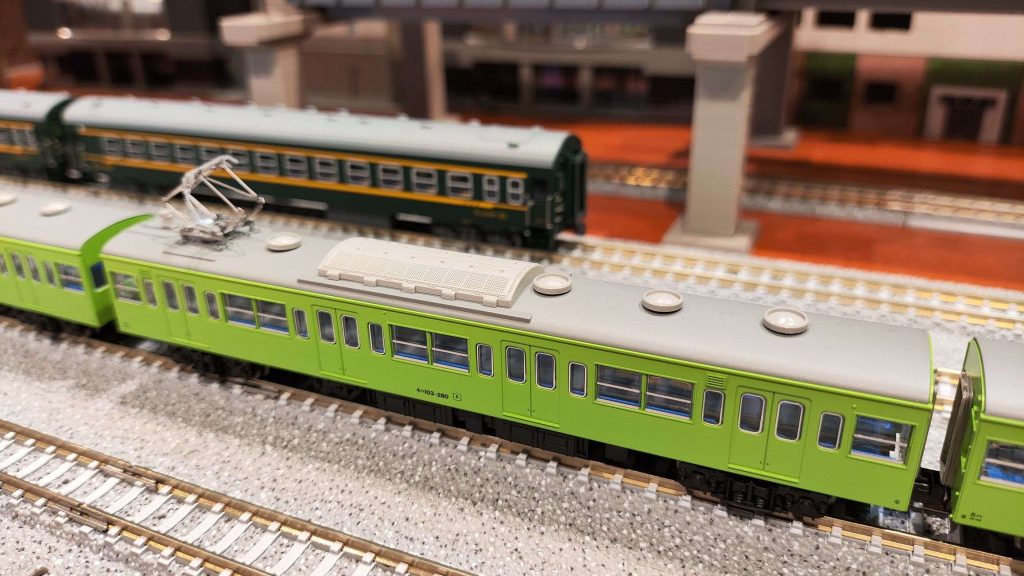
Once you’ve assembled the tracks, connect the conductive metallic pieces to the controller to power the trains. Beginners are advised to use track planning tools to place the trains on the tracks. The power is supplied by the locomotive, and the front and rear cars have lights or route signs that can illuminate. You can control the train’s direction and speed, and for more advanced setups, you can install interior lighting for additional features. Simply running on a loop can get boring, so consider adding sidings, stations, and other variations to enhance the experience.
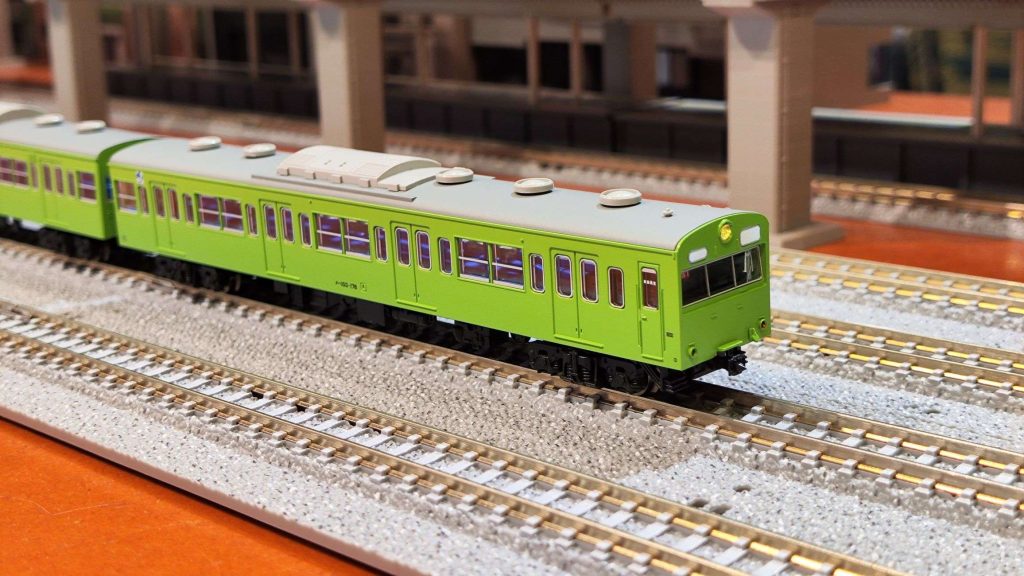
Different people have different ways of enjoying their trains. Initially, I set up Sets A and B to ensure trains were running around the clock. Therefore, the affordable Micro Ace A7752 103 Series Prototype Air-Conditioned Car (Later Version) Yamanote Line railway model (Micro Ace N-Scale 103 Series Prototype Air-Conditioned Car (Later Version) Uguisu Yamanote Line 10-Car Set A7752 Railway Model Electric Train) became my main “operating” train. The 103 Series Prototype Air-Conditioned Car was developed by Japanese National Railways (JNR) to test air-conditioning systems and began running on the Yamanote Line in 1970. This train is notable for its installation of three different manufacturers’ centralized air-conditioning systems: Toshiba’s AU73X, Hitachi’s AU74X, and Mitsubishi’s AU75X. After extensive testing, Mitsubishi’s AU75X was selected for mass production. The train was configured as a 10-car set with various testing air-conditioning units and was standardized to the mass-produced AU75 in 1978, marking the end of the original specialized air-conditioning systems.
The special edition Yamanote Line 103 Series features Uguisu color (a shade of green), based on the 7750/51 model released in August 2012, and comes in multiple versions. The newly created models include SAHA103-307, MOHA103-281, and KUHA103-178, each equipped with two types of improved air conditioners, further enhancing passenger comfort.
When choosing the 103 Series, both TOMIX and KATO offer options, but the Micro Ace set stands out for its affordability—acquiring a 10-car train without spending 1,000 yen, averaging around 100 yen per car. This makes it an excellent choice for an N-scale train running 7 to 8 hours daily, providing great value without worrying about wear and tear during operations.
There are limited places to purchase railway models in Hong Kong. On Hong Kong Island, you can visit Beanbean Store. In Tsim Sha Tsui, Kwun Tong, and Tsuen Wan, there’s Khaho. Ngau Tau Kok has Network Shuttle, and in Tsing Yi, you’ll find Hobby Nana Café. Their prices are sometimes lower than those on Amazon or even in Japan, and they offer knowledgeable staff to assist you. It’s worth taking the time to research and find the right place before making a purchase.