鏽跡與機油的詠嘆調:在臺北機廠,聽見工業時代的餘音
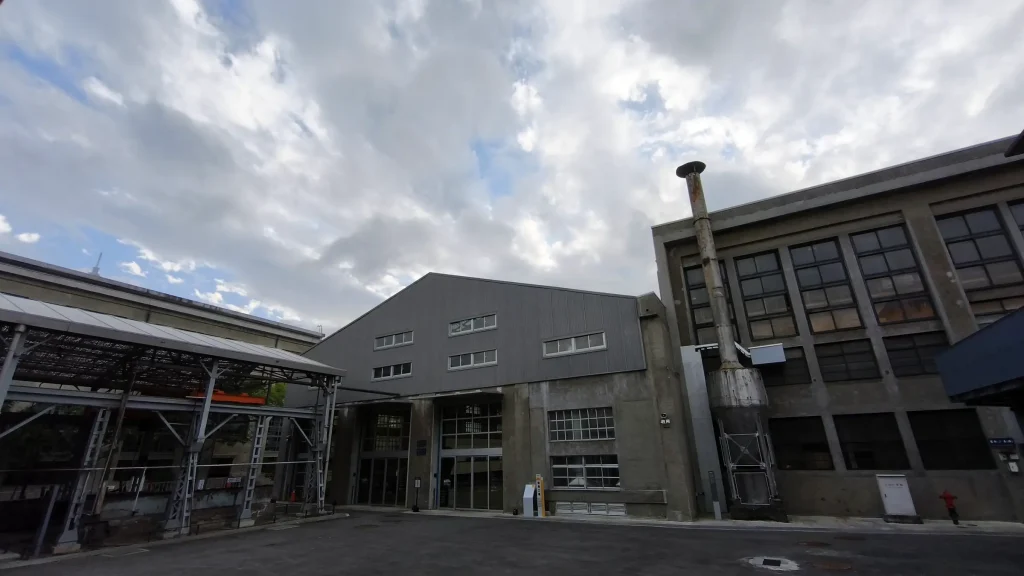
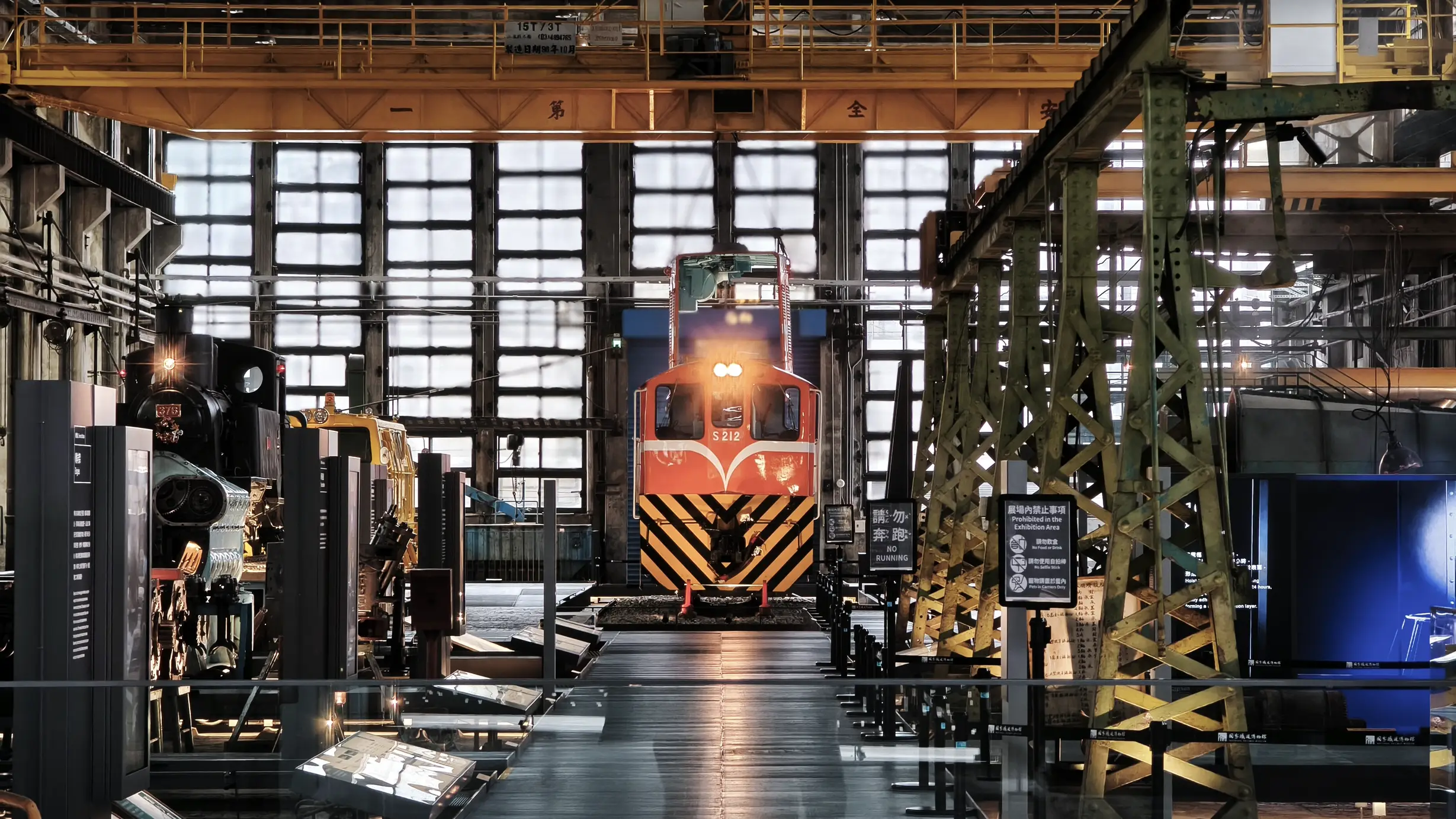
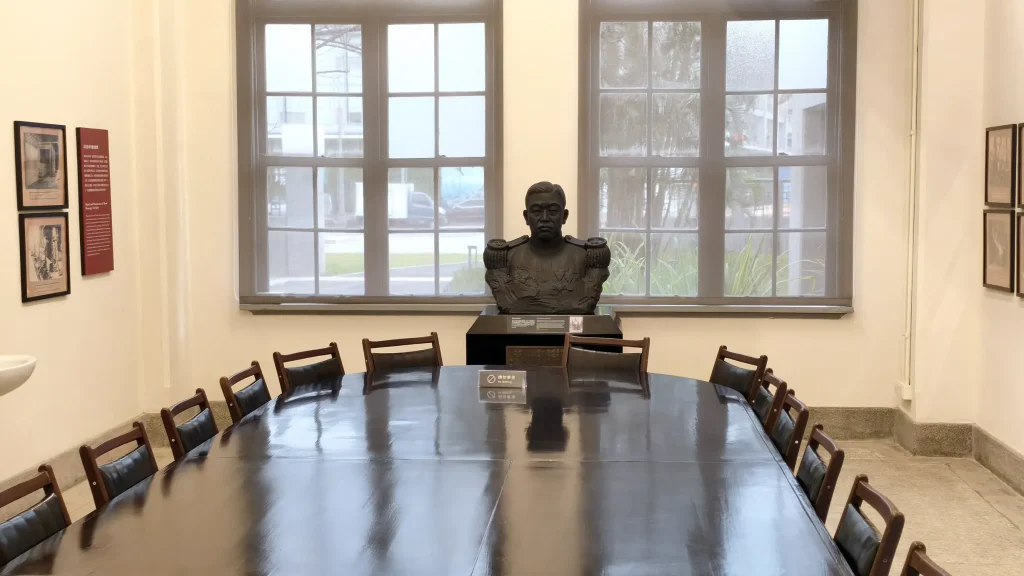
站在台北信義區的邊緣,眼前是一道奇異的風景線。身後是象徵資本流動的摩天大樓與豪宅,眼前卻是一片佔地17公頃、彷彿被時光凝固的工業荒原——國家鐵道博物館(原臺北機廠)。
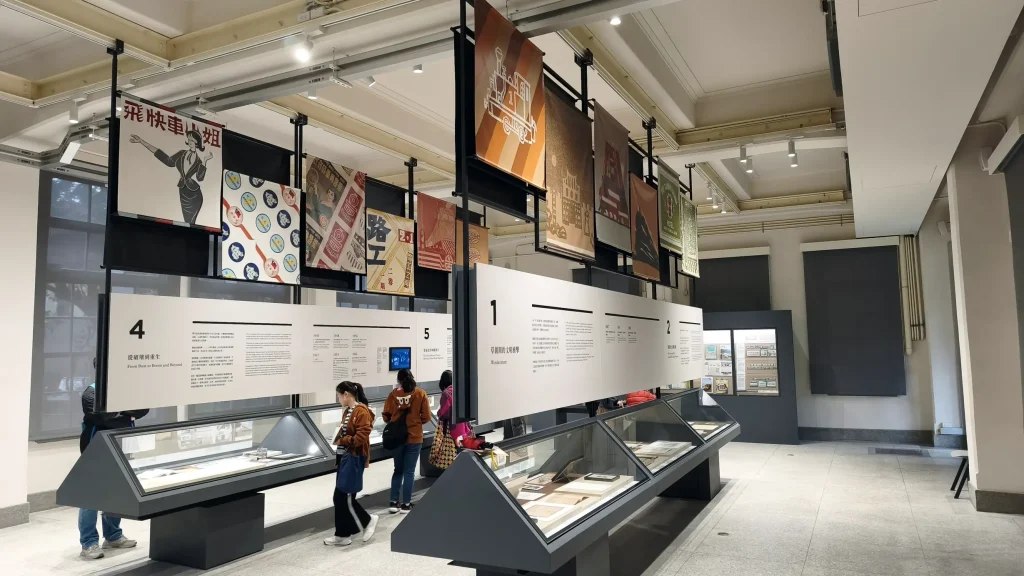
對於一個來自香港、習慣了寸土必爭與垂直城市的旅人來說,這片平坦的廣闊近乎奢侈。這裡沒有被急著鏟平變賣,而是以「活的博物館」之姿,倔強地守住了這座城市九十年的鐵道記憶。我並非踏入一座光鮮亮麗的展廳,而是走進了一部正在運轉的歷史機器。
柴電工場:巨獸的棲息地
若要尋找這座機廠的靈魂,非「柴電工場」莫屬。
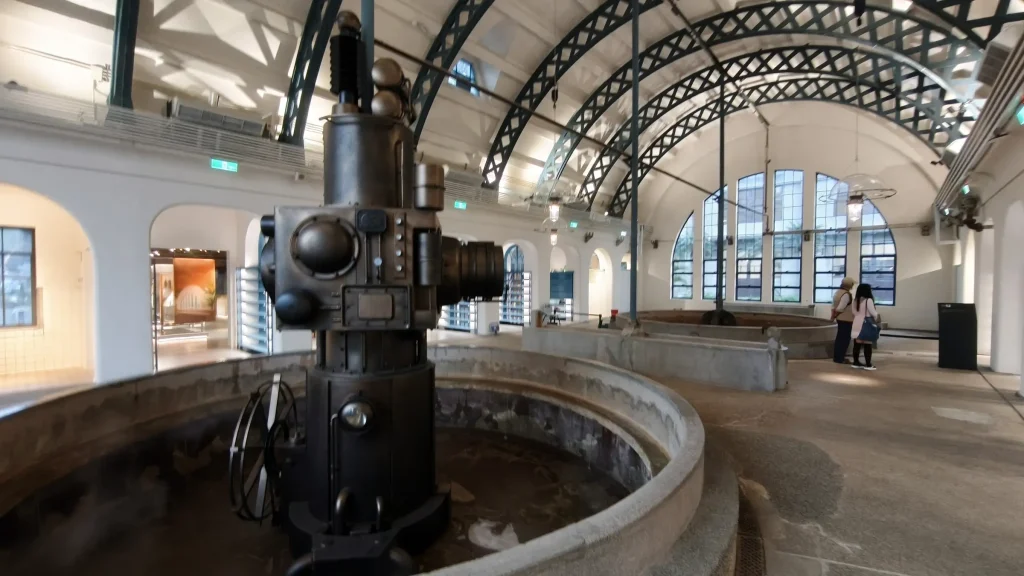
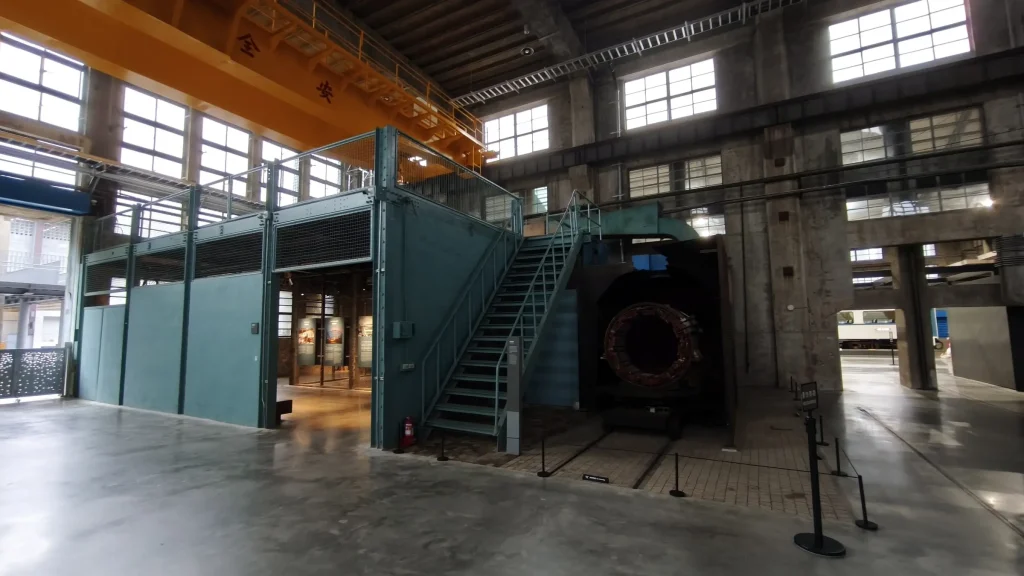
走進廠房,高聳的龍門架(起重機)、空氣中仿佛懸浮著一股淡淡的、陳年的重油氣味。這不是髒污,而是工業時代特有的費洛蒙。陽光透過高處的氣窗灑落,形成一道道丁達爾效應的光束,照亮了沈睡中的鋼鐵巨獸。
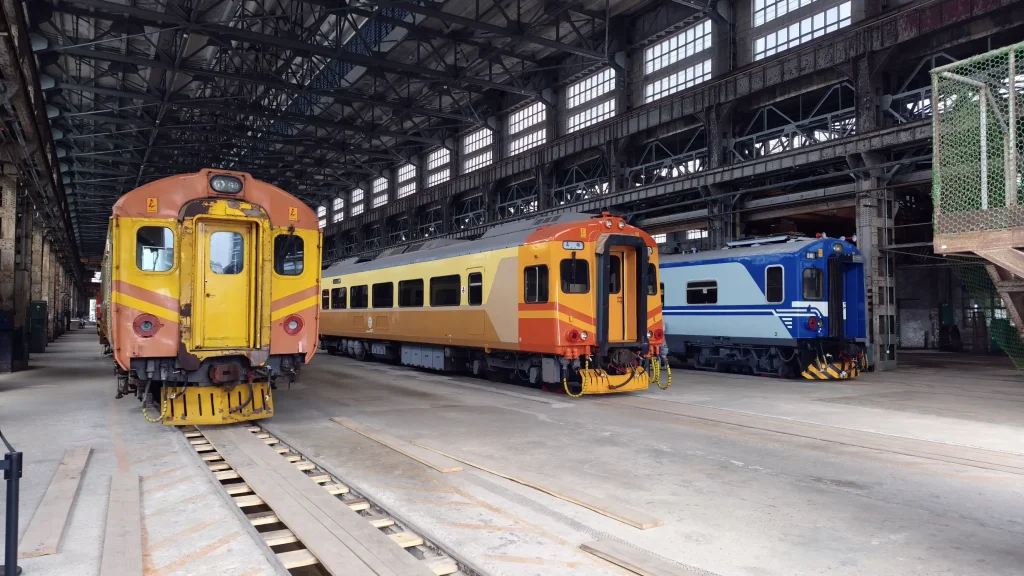
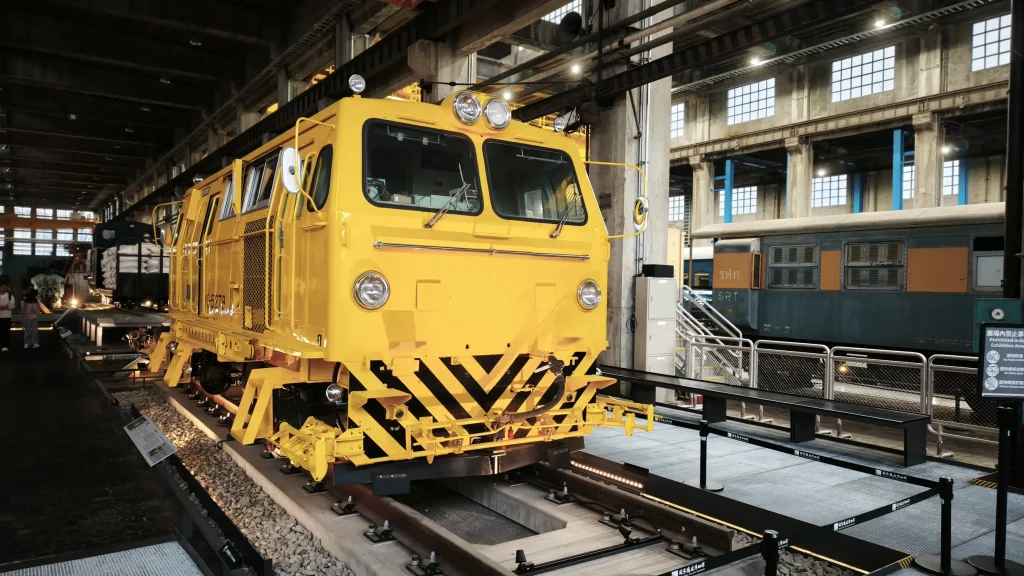
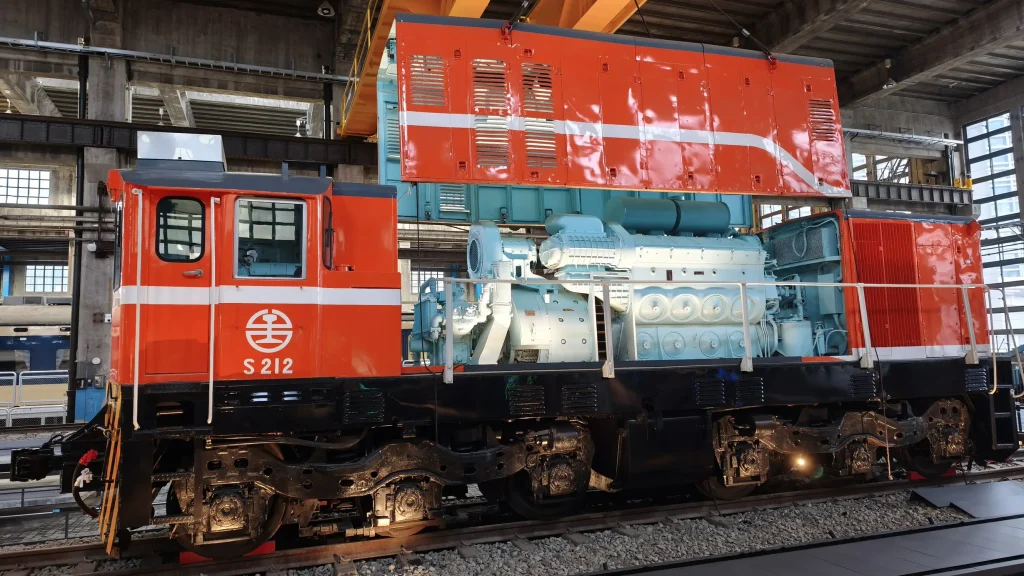
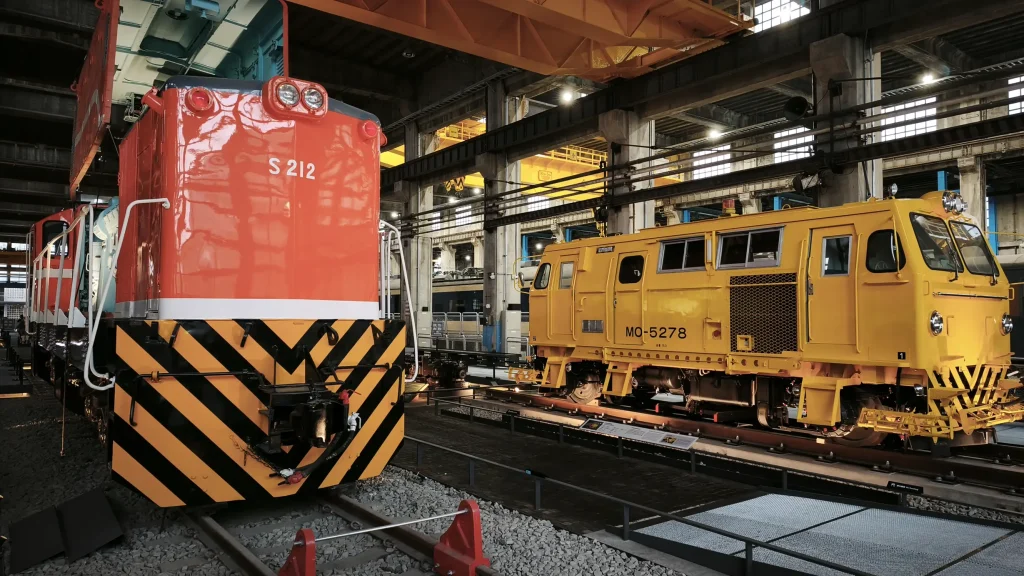
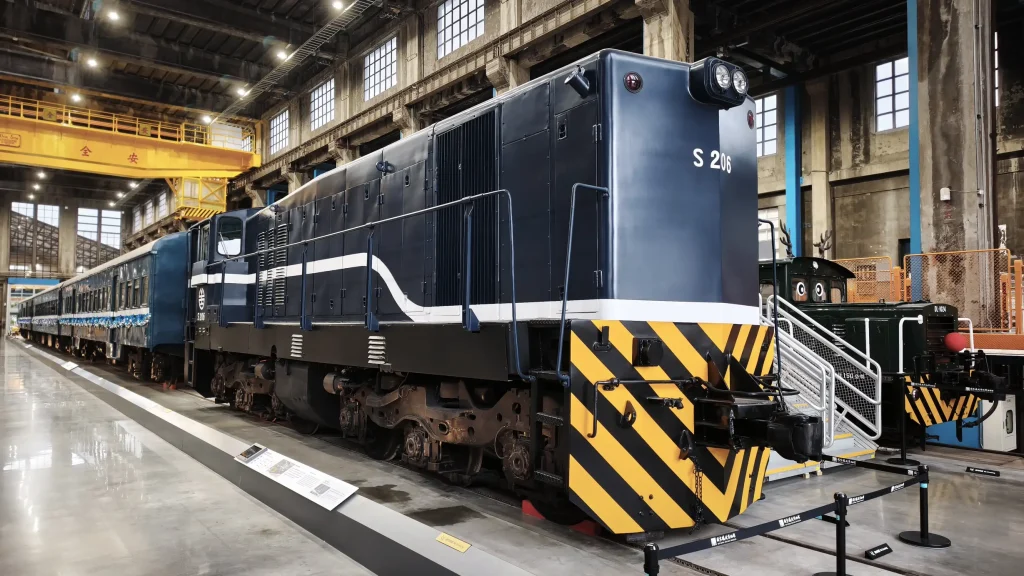
這裡的策展哲學令人動容。它不似日本大宮或京都鐵道博物館那般纖塵不染,而是保留了粗獷的真實感。軌道上停泊著台鐵 R20 型柴電機車(R24 號),這款源自美國 GM-EMD 的藍色車頭,曾是台灣縱貫線上的王者。站在它巨大的散熱風扇與轉向架旁,你彷彿能感受到當年它牽引莒光號時,那種地動山搖的引擎轟鳴。而在它身側,S300 型調車機車(S318 號)則顯得敦厚樸實,這位昔日穿梭於廠區與車站間的幕後功臣,如今終於與它服務過的主角並肩而立。
762 與 1067 的對話:遇見「糖鐵賓士」
然而,柴電工場最深邃的詩意,流動在兩條平行的軌道之間。
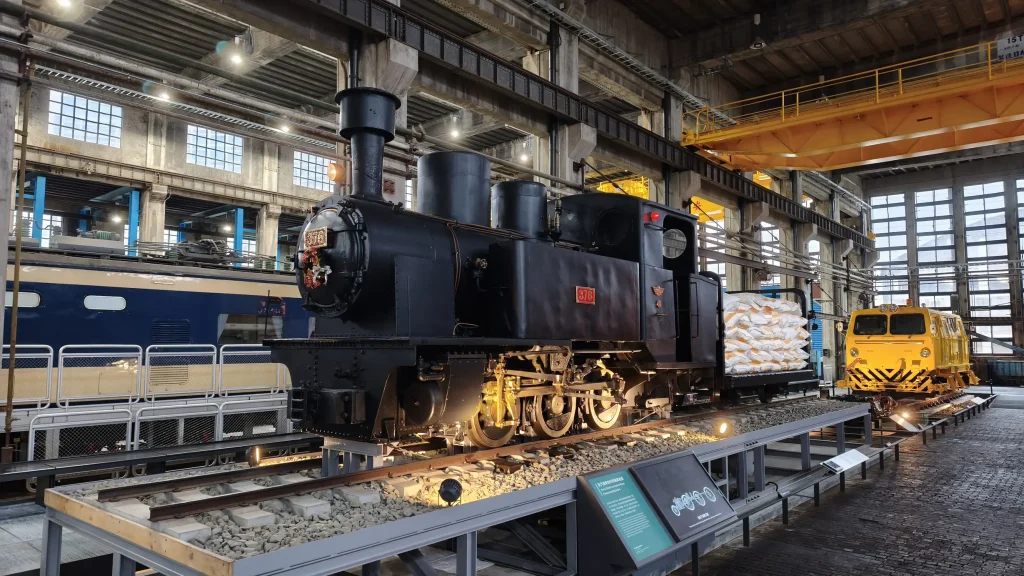
在粗獷的美式柴油機車旁,靜靜停駐著一輛優雅的黑色蒸汽機車——台糖 650 號。這輛由德國 Koppel 廠製造的工藝結晶,因其構造精密、性能卓越,被鐵道迷尊稱為「糖鐵界的賓士」。
這是一場跨越時空與體制的對話。當你的視線在 R24 與 650 之間游移,看見的不僅是「柴油」與「蒸汽」的動力演進,更是「1067mm(窄軌)」與「762mm(五分車)」的軌距差異。
台鐵的 1067mm 軌距,承載著國家幹線的運輸動脈;而糖鐵的 762mm 軌距,則如微血管般深入台灣的鄉野與農田。看著 650 號那精巧迷人的連桿(Connecting Rod)與閥裝置,對比旁邊 R20 充滿肌肉感的鋼板,我不禁感嘆:這就是台灣鐵道的縮影。前者是精緻的德國工藝與農業社會的甜蜜記憶,後者是豪邁的美國力量與工業化進程的推手。兩者在此交會,無聲地訴說著這座島嶼的經濟發展史。
藍皮與煤灰的記憶拼圖
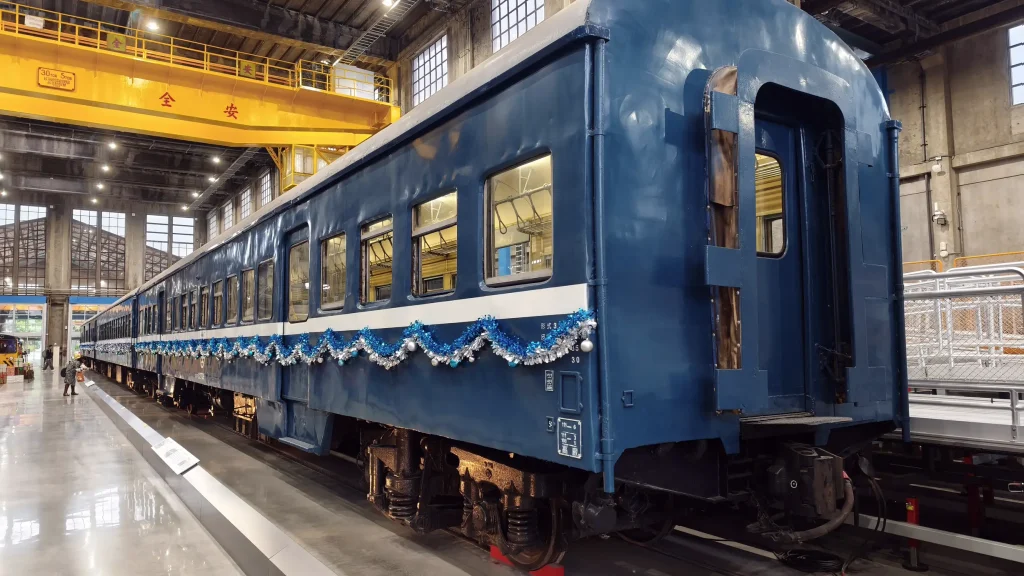
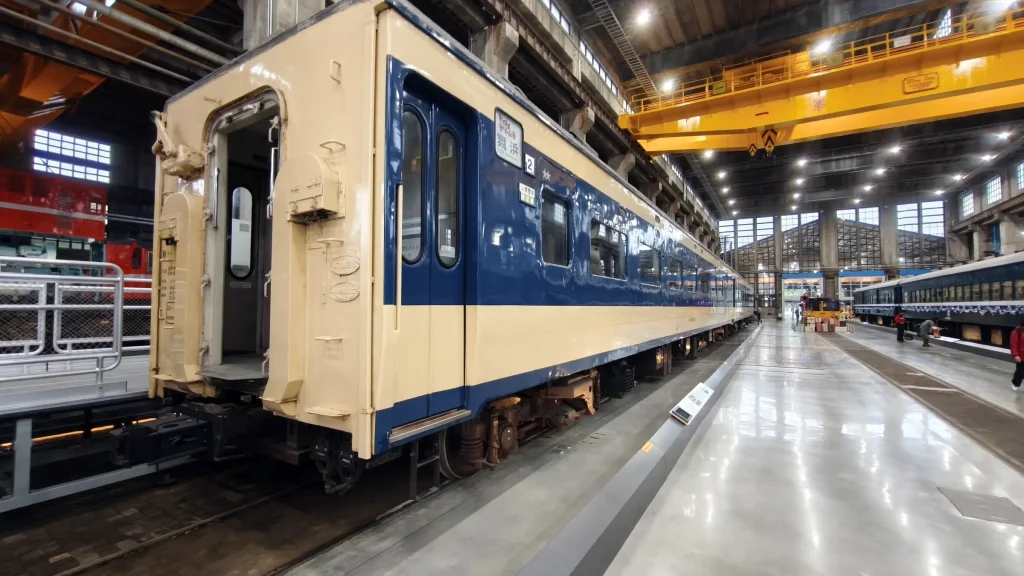
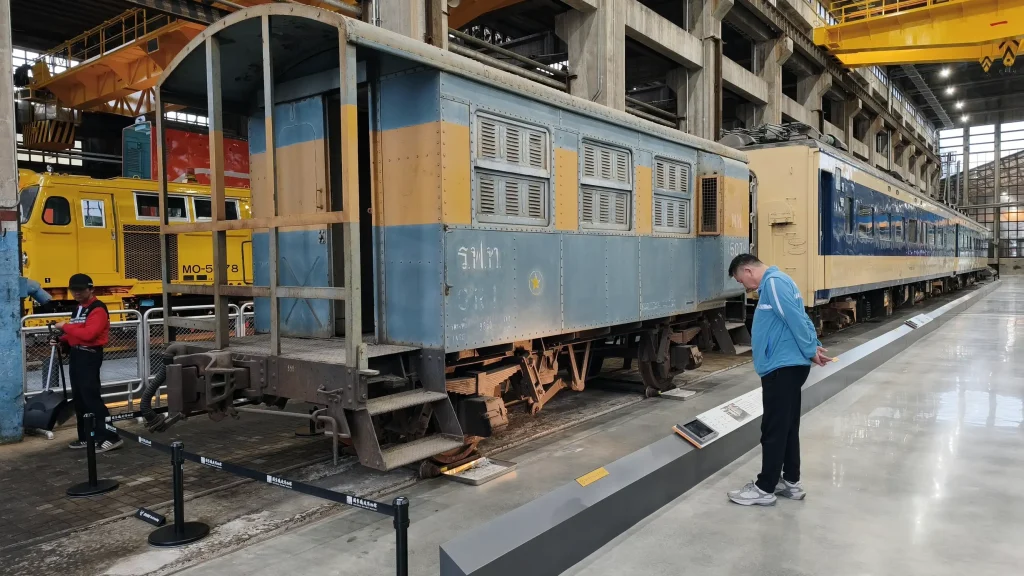
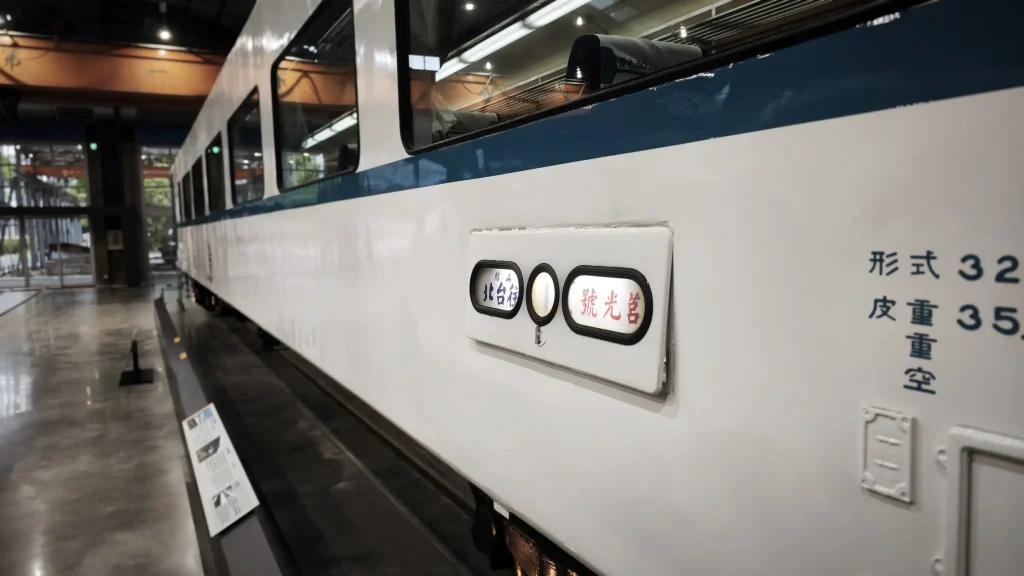
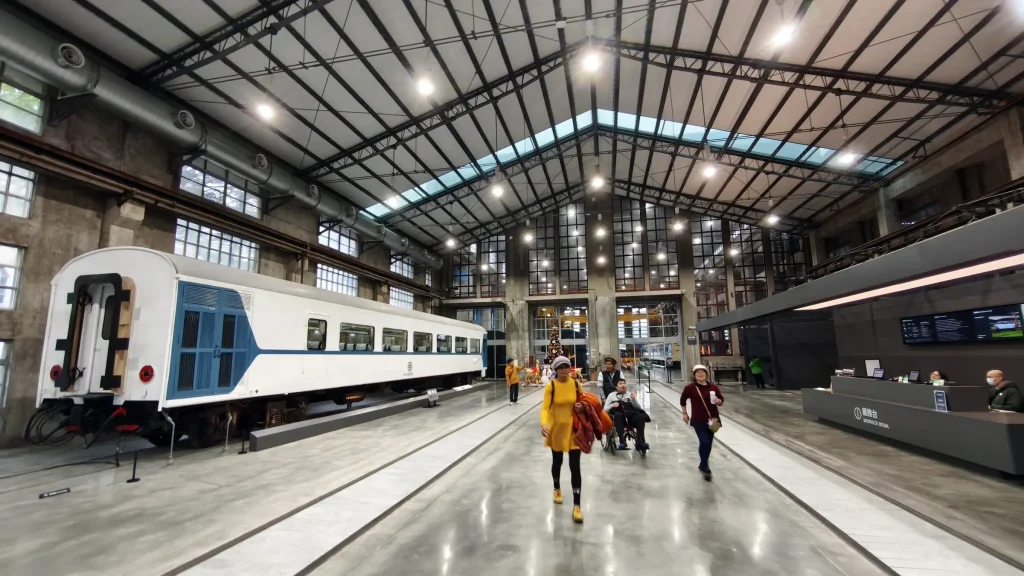
視線向後延伸,藍皮普通車(TP32850 型)靜靜停泊。那種可以向上推開的車窗,承載了多少學子與遊子的青春?風從窗外灌入,夾雜著稻香或海味,那是空調列車永遠無法複製的感官體驗。
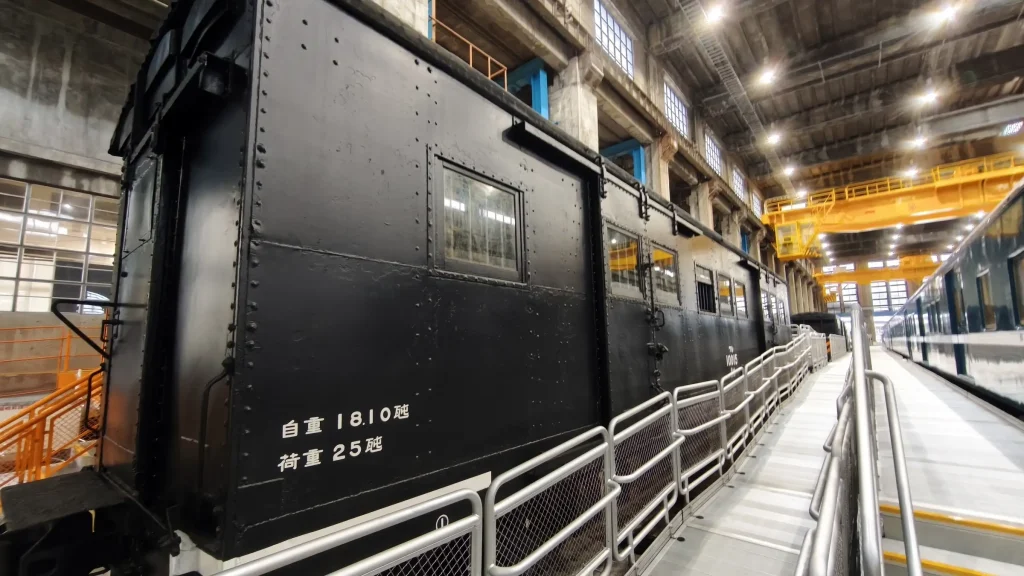
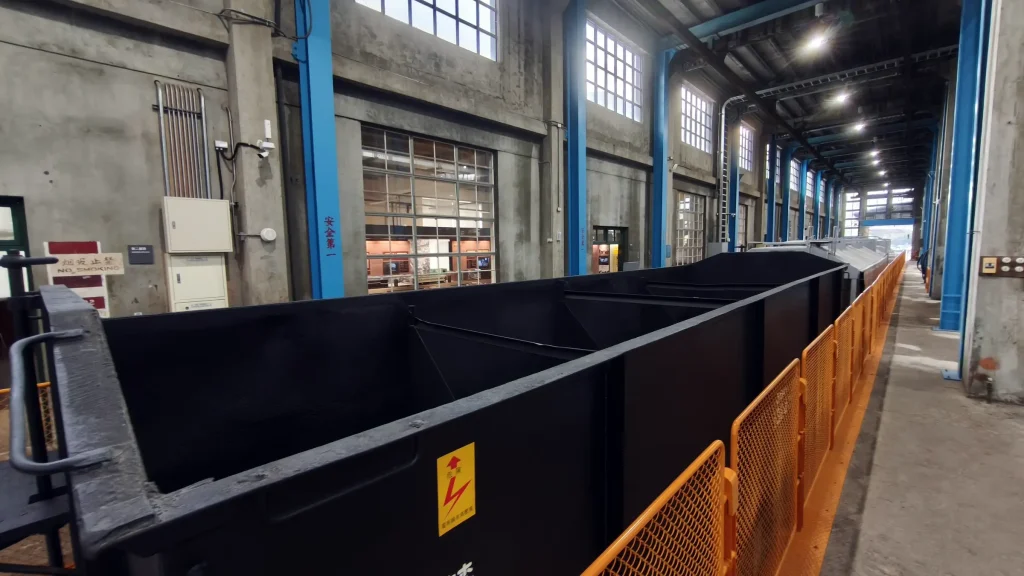
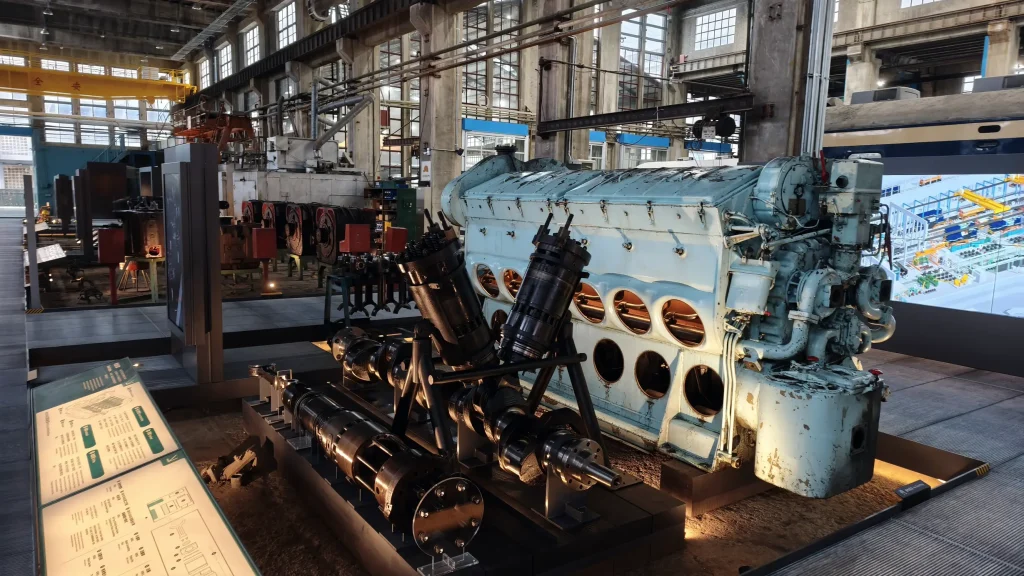
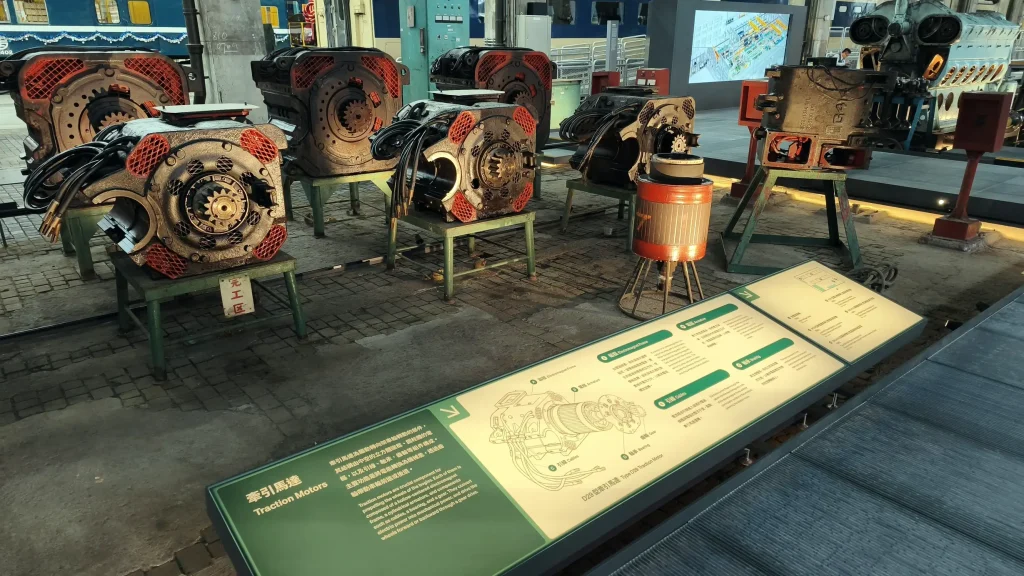
一旁的水車與煤斗車,則以沈穩的黑色調,提醒著我們鐵道運輸不僅是載人,更是支撐產業運轉的脊樑。透過科技的透視,這些冷冰冰的鐵塊在參觀者眼中被解構為活生生的機械原理,讓技術與美學在此刻達成和解。
尾聲:未完成的進行式
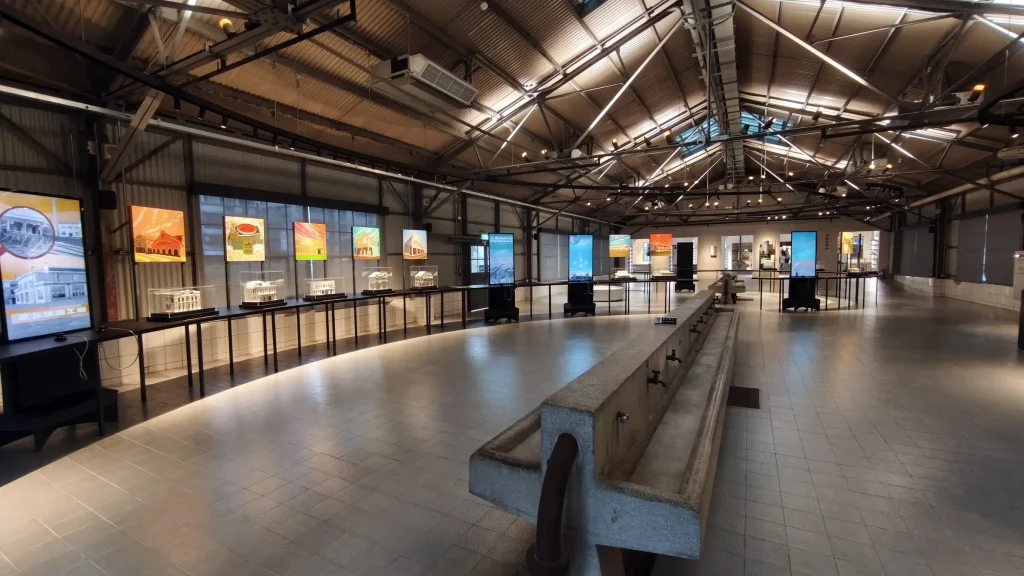
走出廠房,經過那座充滿生活氣息的員工澡堂,看著夕陽餘暉灑在斑駁的牆面上。雖然今日無緣見到「藍寶寶」(DR2303)在廠區內動態行駛,但我並不感到遺憾。
因為這裡不是一座已經「完結」的博物館,它還在生長、在修復、在呼吸。
回望香港,我們或許擁有全世界效率最高的鐵路系統,卻鮮少有空間能容納這樣的歷史沈澱。最近的「站見」展覽雖已是一大進步,但面對臺北機廠這般宏大的工業遺址,心中難免升起一絲羨慕與敬意。
在這個講求速度的時代,臺北機廠選擇了慢下來。它讓生鏽的連桿與沈默的引擎,繼續在城市中心,演奏著那首關於火與鋼的詠嘆調。
國家鐵道博物館
地址:臺北市信義區市民大道五段50號
開放時間:週二至週日 09:30-17:00 (最後售票16:30),週一固定休館
票價:柴電工場常設展:全票100元台幣
Aria of Rust and Oil: Echoes of the Industrial Age at the National Railway Museum, Taiwan
Standing on the edge of Taipei’s Xinyi District, a singular landscape unfolds before me. Behind my back stand the skyscrapers and luxury residences that symbolize the rapid flow of capital; yet, stretching out before my eyes is a 17-hectare industrial expanse, seemingly frozen in time—the National Railway Museum (formerly the Taipei Railway Workshop).
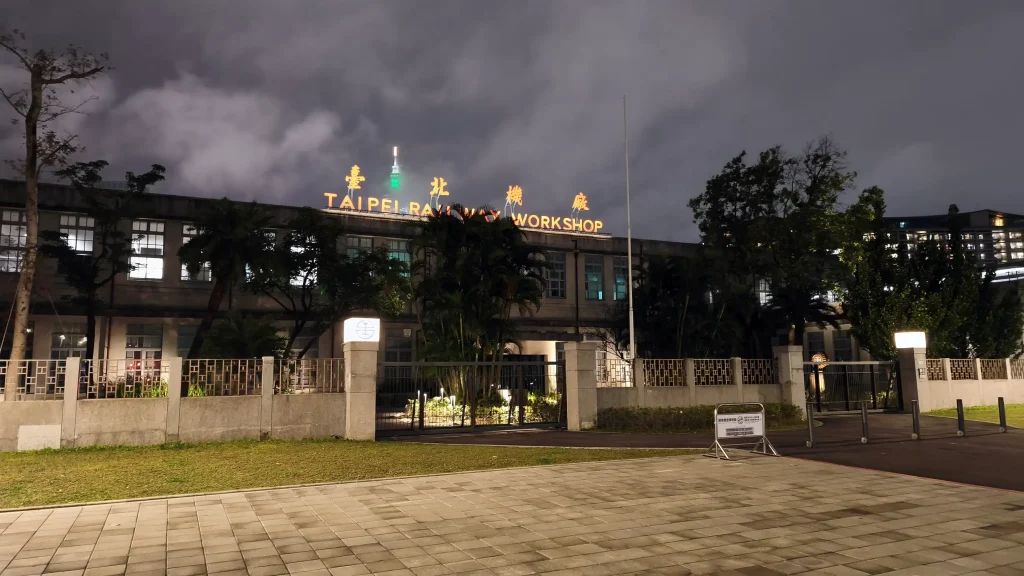
For a traveler from Hong Kong, accustomed to a vertical city where every inch of land is fiercely contested, this flat, sprawling openness feels almost like a luxury. This land was not hastily bulldozed for sale. Instead, it stands stubbornly as a “Living Museum,” guarding ninety years of the city’s railway memories. I have not stepped into a polished, sterile exhibition hall, but rather walked inside a historical machine that is still running.
The Diesel-Electric Workshop: Habitat of the Iron Beasts
If one seeks the soul of this facility, it resides in the Diesel-Electric Workshop.
Upon entering the plant, one is greeted by towering gantry cranes and air that seems to suspend a faint, aged scent of heavy oil. This isn’t grime; it is the distinct pheromone of the industrial age. Sunlight spills through the high ventilation windows, creating beams of light—the Tyndall effect—that illuminate the slumbering steel beasts below.
The curatorial philosophy here is moving. unlike the pristine, dust-free environments of the Railway Museum in Omiya or Kyoto, this space retains a rugged authenticity. Resting on the tracks is the TRA Class R20 Diesel-Electric Locomotive (R24). This blue locomotive, originating from GM-EMD in the United States, was once the king of Taiwan’s trunk lines. Standing beside its massive cooling fans and bogies, you can almost feel the earth-shaking roar of its engine as it once pulled the Chu-Kuang Express. Beside it stands the Class S300 Shunter (S318). Modest and sturdy, this unsung hero, which once shuttled between the depot and stations, now finally stands shoulder-to-shoulder with the protagonists it once served.
A Dialogue Between 762mm and 1067mm: Meeting the “Mercedes of Sugar Railways”
However, the deepest poetry of the Diesel-Electric Workshop flows between two parallel tracks.
Next to the rugged American diesel locomotive sits an elegant black steam locomotive—the Taiwan Sugar Corporation No. 650. A masterpiece of craftsmanship manufactured by Koppel in Germany, it is revered by railway enthusiasts as the “Mercedes-Benz of Sugar Railways” due to its precise construction and superior performance.
This is a dialogue that transcends time and systems. As your gaze shifts between the R24 and the No. 650, you witness not only the evolution of power from steam to diesel but also the difference in gauges: 1067mm (Narrow Gauge) and 762mm (Sugar/Five-minute Car Gauge).
The TRA’s 1067mm gauge bears the weight of the national transport arteries, while the Sugar Railway’s 762mm gauge penetrates deep into Taiwan’s countryside and farmlands like capillaries. Looking at the exquisite connecting rods and valve gear of the No. 650, contrasted against the muscular steel plates of the R20, I cannot help but sigh: this is a microcosm of Taiwan’s railway history. The former represents refined German craftsmanship and the sweet memories of an agrarian society; the latter symbolizes bold American power and the driving force of industrialization. Here, they intersect, silently narrating the economic development history of this island.
A Mosaic of Blue Cars and Coal Ash
Extending my gaze further back, a TP32850 Series Blue Ordinary Car sits quietly. How many youths and wanderers have pushed up those heavy windows? The wind pouring in, carrying the scent of rice paddies or the sea, offers a sensory experience that modern air-conditioned trains can never replicate.
Nearby, water cars and coal hopper cars, in their steady black tones, remind us that railway transport is not just about moving people, but the backbone that supports industrial operations. Through the lens of technology, these cold blocks of iron are deconstructed into living mechanical principles for visitors, allowing technology and aesthetics to reach a reconciliation in this moment.
Epilogue: An Unfinished Symphony
Walking out of the workshop, passing the employee bathhouse rich with the atmosphere of daily life, I watch the sunset glow upon the mottled walls. Although I did not see the “Blue Baby” (DR2303) running dynamically within the factory grounds today, I feel no regret.
This is because this is not a “finished” museum; it is still growing, repairing, and breathing.
Looking back at Hong Kong, we may possess the world’s most efficient railway system, yet we rarely have the space to accommodate such historical sedimentation. While the recent “Station Rail Voyage” exhibition was a significant step forward, facing a grand industrial heritage site like the Taipei Railway Workshop, a sense of envy and respect inevitably rises in my heart.
In this era obsessed with speed, the Taipei Railway Workshop has chosen to slow down. It allows rusty connecting rods and silent engines to continue performing that aria of fire and steel right in the center of the city.
Visitor Information
National Railway Museum (Preparatory Office)
- Address: No. 50, Section 5, Civic Blvd, Xinyi District, Taipei City
- Opening Hours: Tuesday to Sunday, 09:30 – 17:00 (Last ticket sale at 16:30). Closed on Mondays.
- Admission:
- Diesel-Electric Workshop Exhibition: NT$100 (General Admission)