人生不枉之行—西武鐵道「52席的至福」(52席の至福)
幾個月前的一場搶票戰
旅行最讓人興奮的,往往不是出發那天,而是搶到票的那一刻。
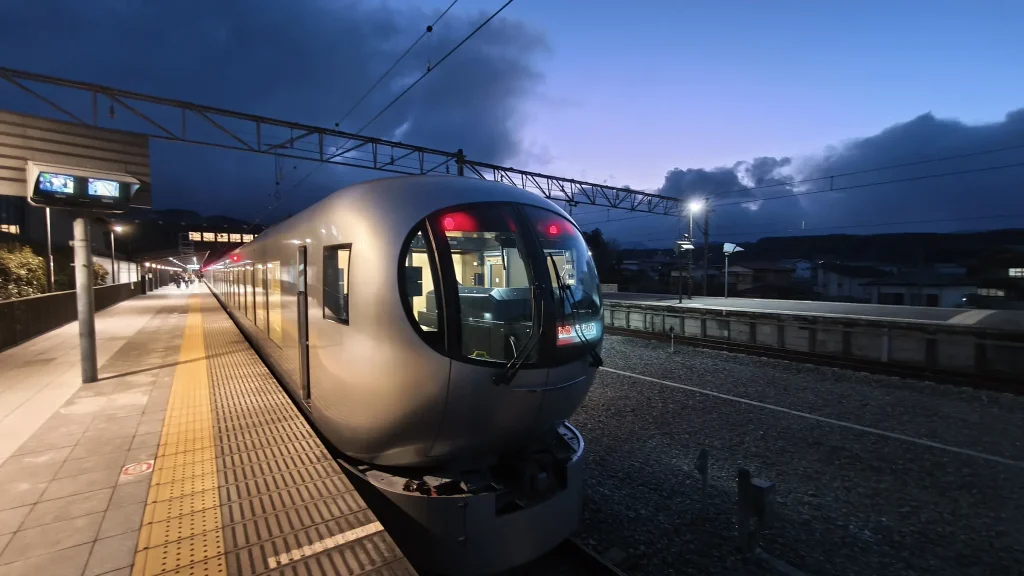
西武鐵道的「52席的至福」(52席の至福)餐廳列車,顧名思義全車僅設52個座位,每逢週末及特定假日才運行,一年大約只行駛100天左右,是東京都心出發的首輛餐廳列車。官網每月初開放約三個月後的預約,基本上是秒殺級別的存在。幾個月前為了這趟車,硬是在電腦前守著開放時間搶位,那種緊張感大概只有搶過演唱會門票的人才懂。幸好,最終順利拿下了從西武新宿站開往西武秩父站的早午餐車次(ブランチコース)——正值東京改裝車展(東京オートサロン)期間,算是為這趟東京行錦上添花。
隈研吾的移動藝術品
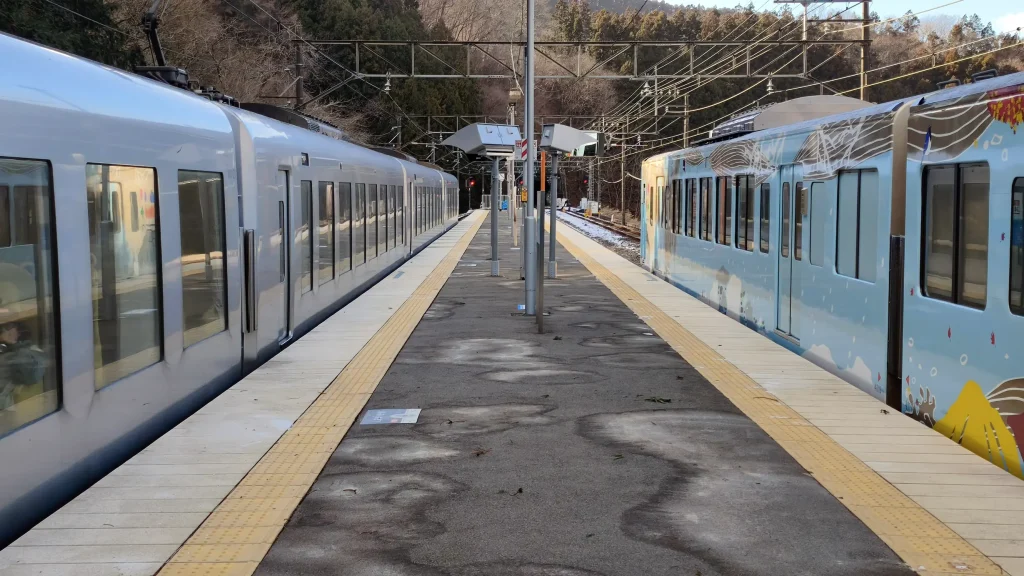
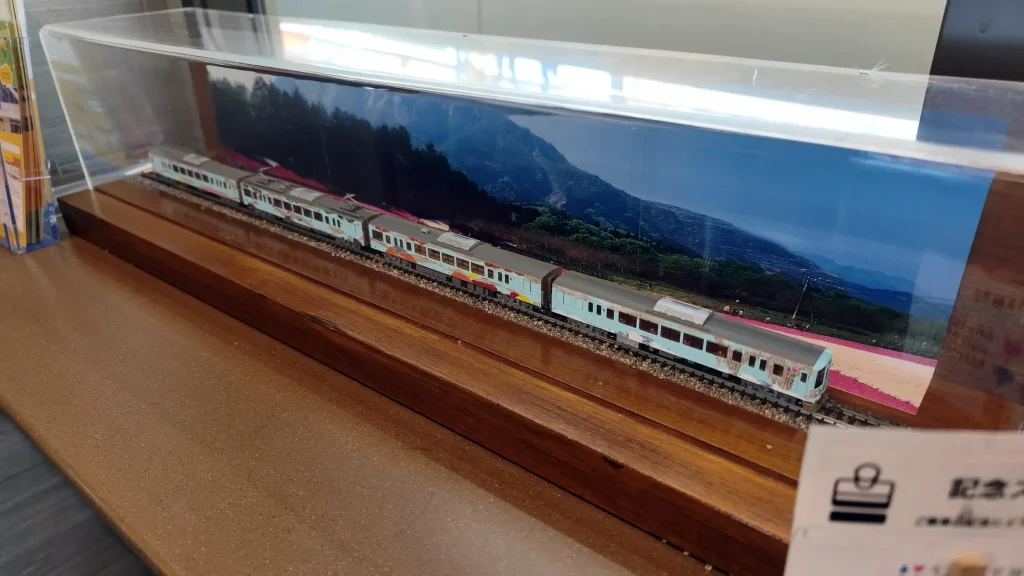
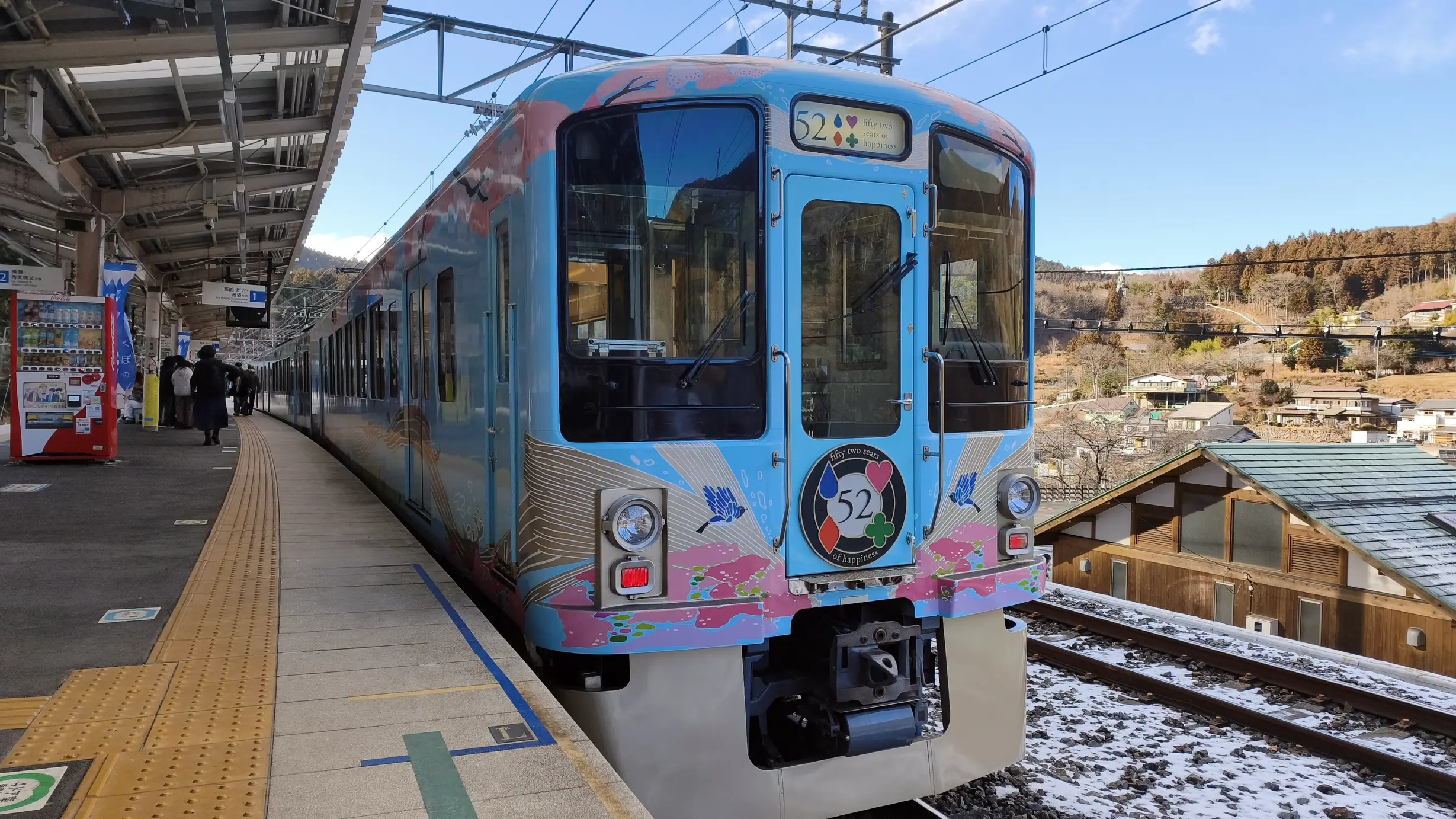
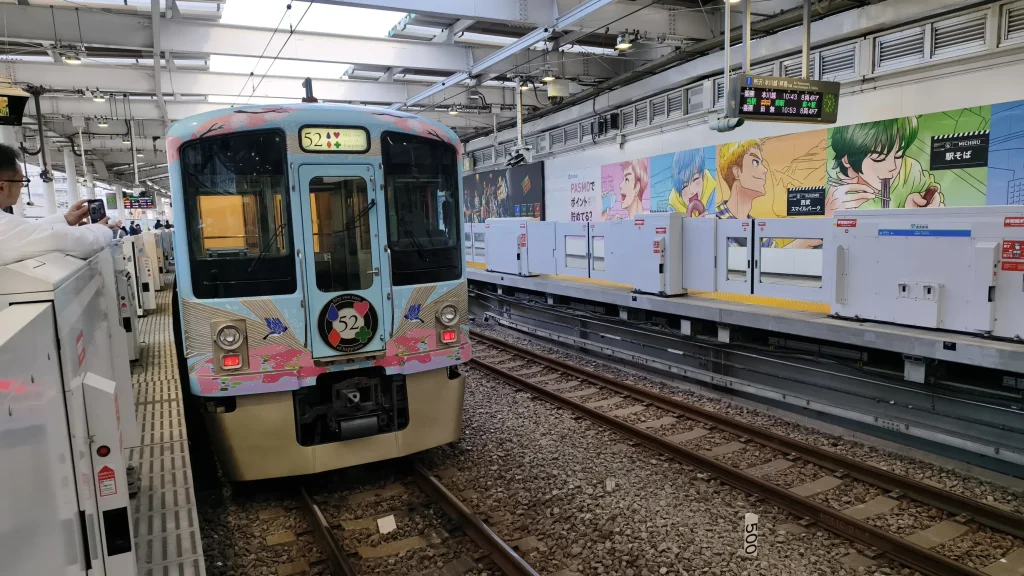
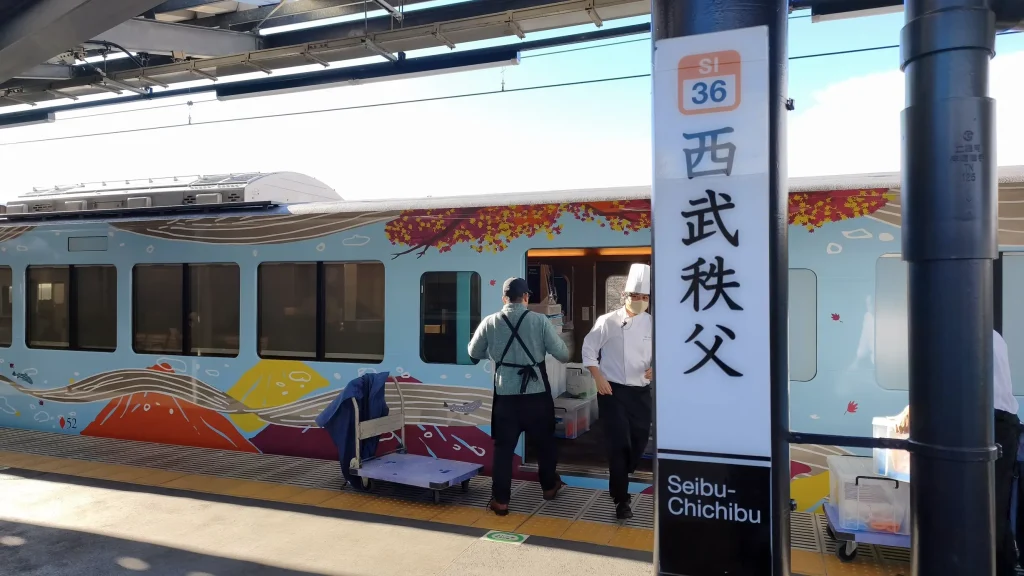
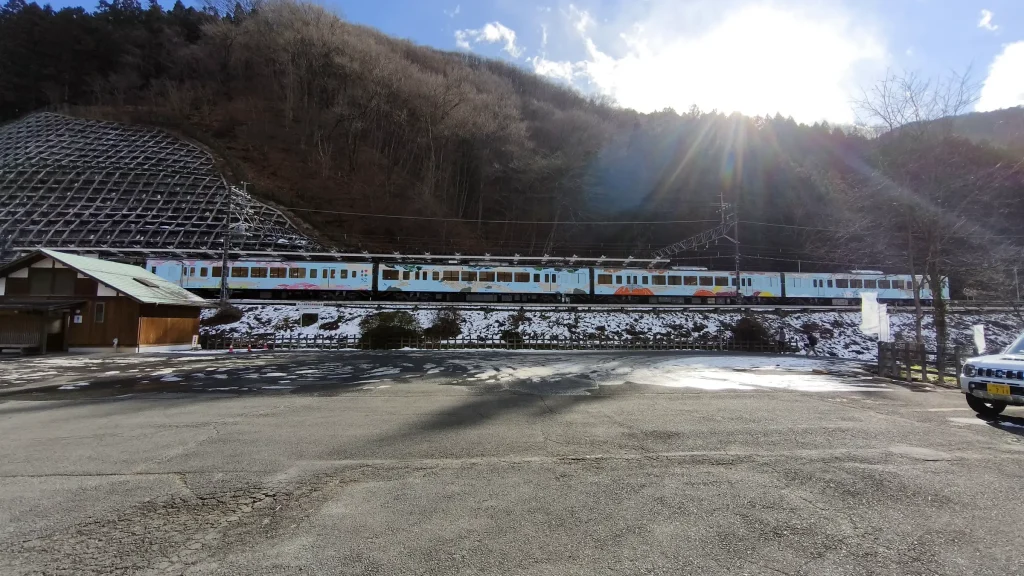
「52席的至福」自2016年4月投入運行,由建築大師隈研吾操刀設計——這也是他首次為鐵道車輛操刀內外裝。車輛是以現役的4000系電車四節編成大幅改裝而成,外觀以淺藍為基底,四節車廂分別描繪秩父的春夏秋冬——第一節車廂是春天的芝與長瀞之櫻、第二節車廂為盛夏的翠綠群山、第三節車廂描繪深秋的秩父連山紅葉、第四節車廂則是嚴冬的蘆久保冰柱(あしがくぼの氷柱),遠遠駛來已經是一幅流動的四季繪卷。
車廂內部同樣貫徹隈研吾一貫的自然素材美學。第四節客席車廂的天花板選用西川材,木紋溫潤;第二節客席車廂的天花板則以柿澀和紙裝飾;二、四號車廂與走道之間的門簾更採用秩父傳統絹織品「秩父銘仙」,和風濃郁卻不失雅致。車內旋律則由凱旋樂隊(Casiopea)的鍵盤手向谷實作曲,為旅程增添了一層流動的音樂風景。整列車營造出一個柔和而有溫度的移動空間,與其說是交通工具,不如說是一件可以乘坐的藝術品。
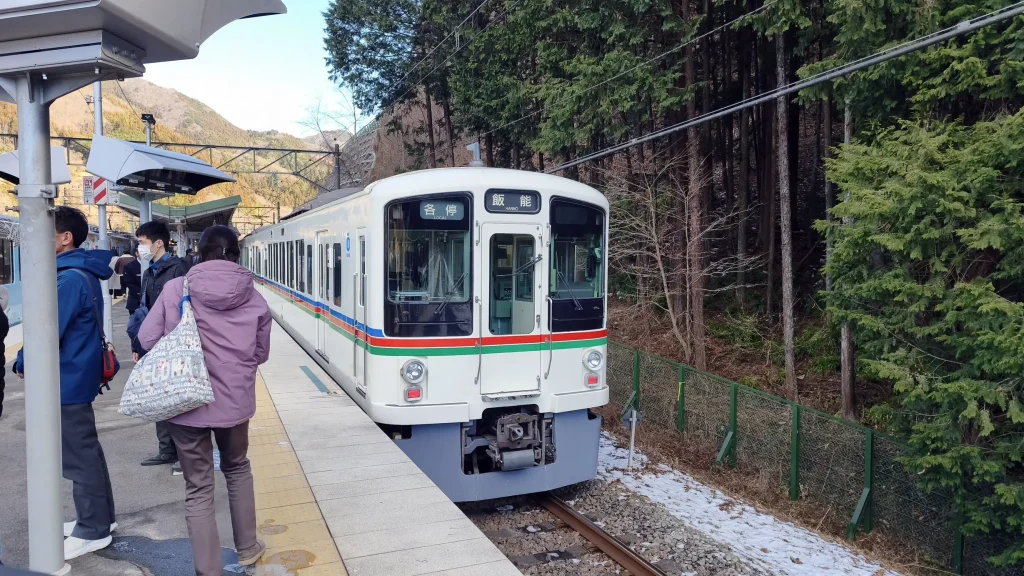
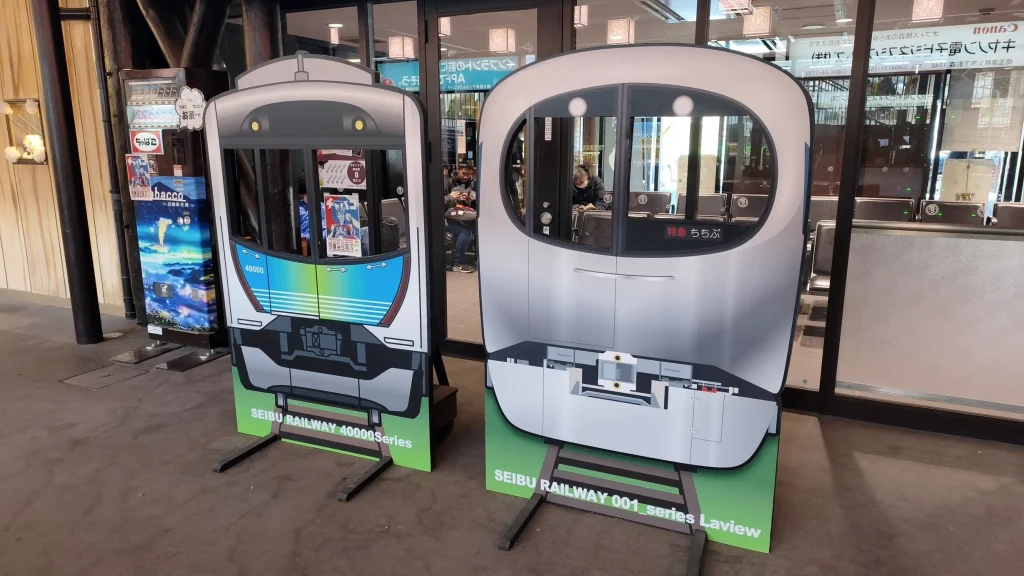
還未登車,月台上已經熱鬧非凡。乘客們紛紛舉起手機,爭相與列車合照。如果想拍到列車緩緩入站的最佳角度,偷偷告訴你——Starbucks西武新宿PePe店是絕佳觀賞位置,居高臨下看著這輛藍色列車滑入月台,畫面相當有電影感。
登車的儀式感
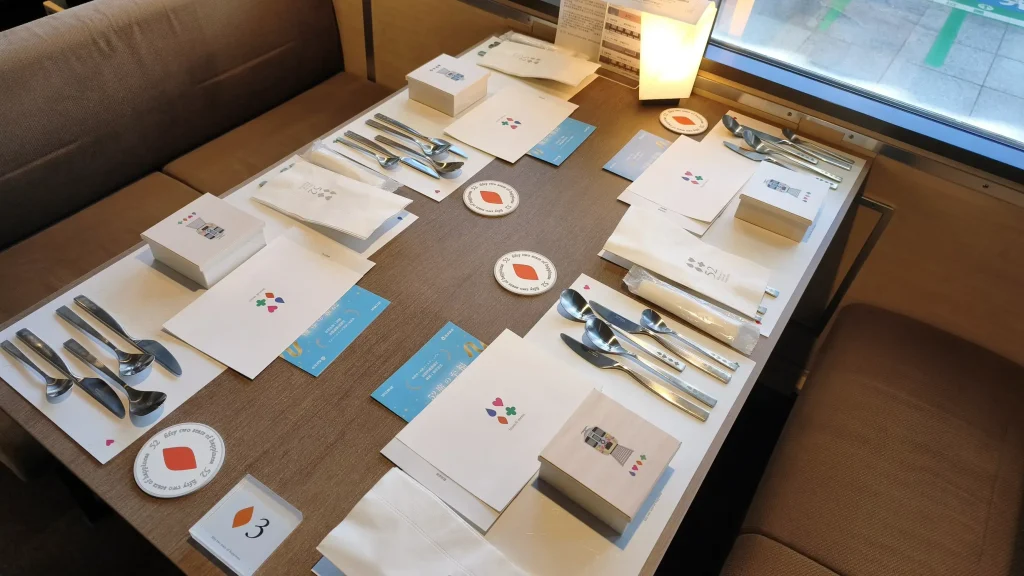
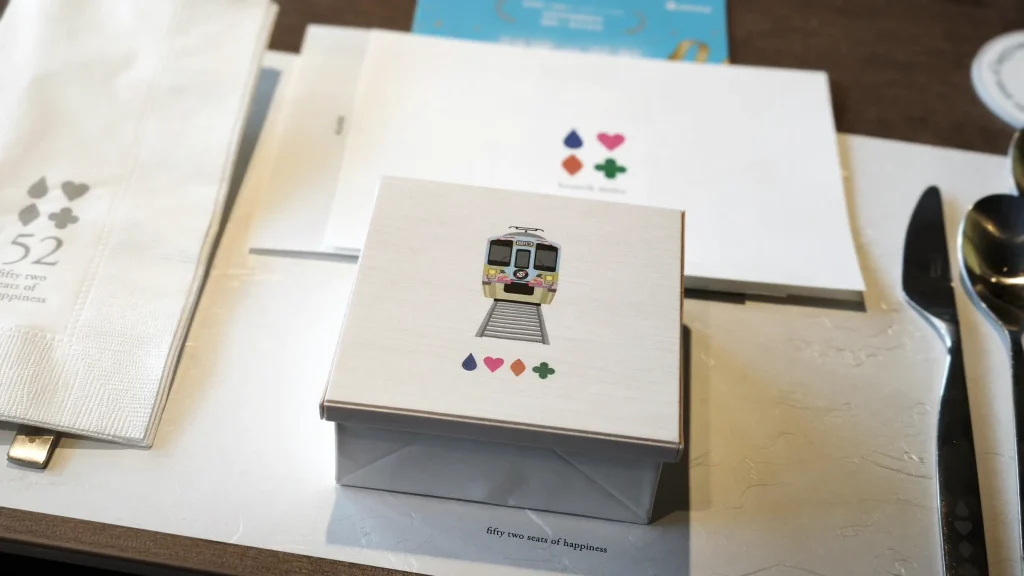
踏上車廂的一刻,服務便開始了。工作人員會先接過你的大衣,妥善收到衣帽間——這種細節讓人瞬間從「搭火車」的心態切換到「赴一場盛宴」。落座後,迎賓飲隨即送上,桌上已擺放一個精緻的小木盒,打開便是當日的開胃小食(Amuse),而四季專題的杯墊最後亦可帶回家中留念。
四節車廂中,第二及第四節為客席車廂,第三節為廚房車廂(キッチン車両),第一節則是多功能車廂(多目的車両。座位編排方面,車廂一側為四人座、另一側為二人座,空間感相當舒適。當日只有50位乘客登車,氣氛寧靜而從容。環顧四周,同車旅客以年長夫婦居多,看得出不少人是特意來慶祝紀念日的——官方確實也提供週年方,預約時可加選特製甜點盤,寫上祝福字句。
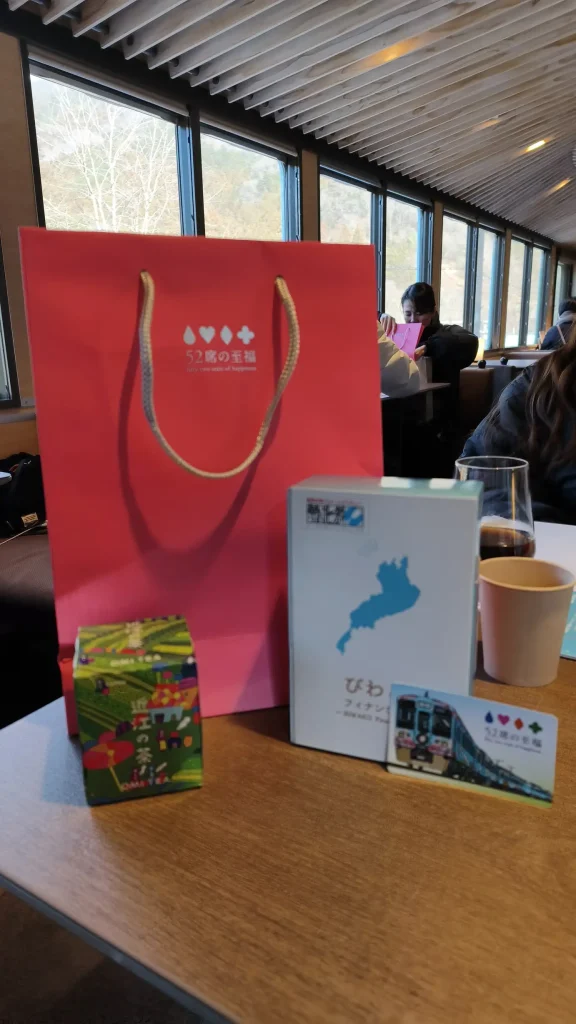
值得一提的是,這列車的紀念品購買方式與一般觀光列車不同。車上並沒有設置專門的售賣點,而是採用類似點心紙的模式,在座位上勾選下單。不過,所有紀念品實物其實就陳列在第一節多功能車廂內,建議先走過去親眼看過實物,再回座下單,免得買錯或遺漏心頭好。杯墊、秩父銘仙手帕、西川杉木書籤等都頗具收藏價值。順帶一提,這節多功能車廂平時人不多,也是不受打擾欣賞車窗風景和拍照的好去處。
風土料理的味覺冒險
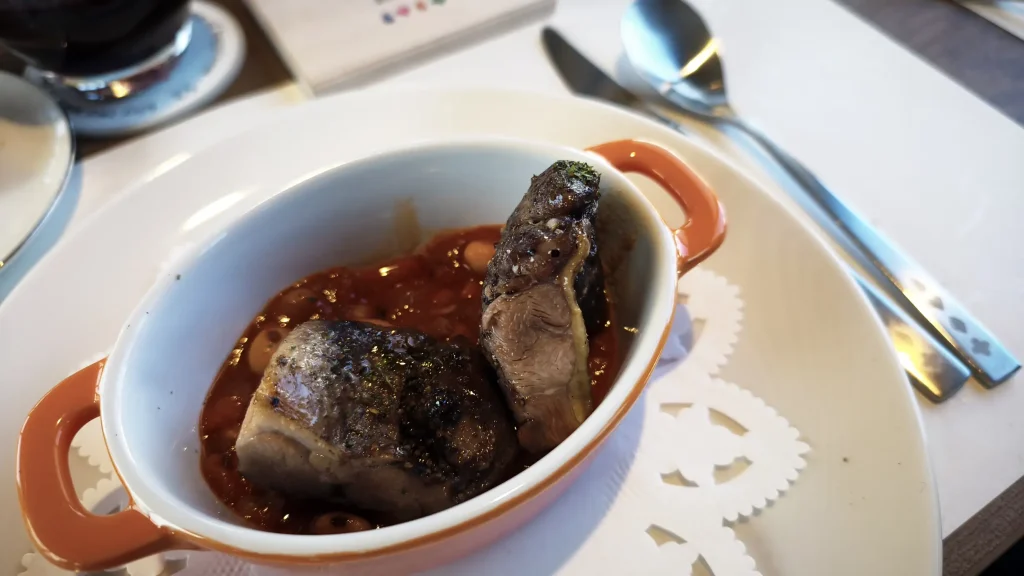
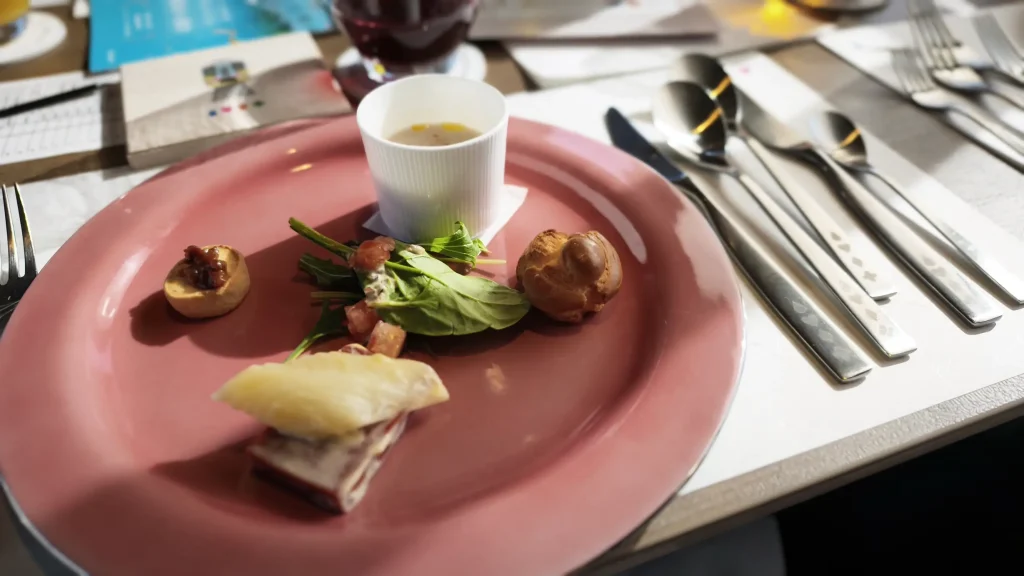
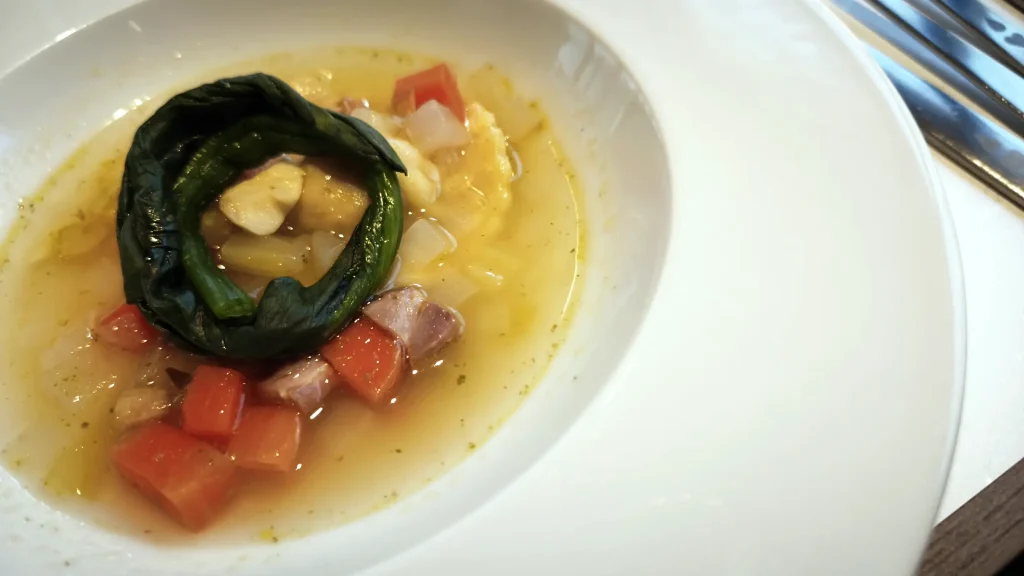
說到餐食,必須誠實交代——如果你期待的是壽司刺身或精緻懷石,可能需要調整一下預期。「52席的至福」的菜單每三個月更換一次,由不同主廚以西武沿線及合作產地的當季食材創作,風格更接近日本的「風土料理」(郷土料理)。我們試的是由「滋賀」與「52席的至福」合作的美饌饗宴4重奏,2026年1至3月早午餐以滋賀合作為主題,由「La gueule de bois」主廚布山純志監修,共四道菜式:白味噌田樂風前菜四品、青醬蔬菜湯配滋賀豬肉意大利餃、油封近江鴨佐卡蘇萊燉菜,及日本紅茶奶凍配橘子果醬,附橫瀨紅茶,擺盤精緻用心,食材新鮮是毋庸置疑的,但口味上確實與我們慣常認知的日本料理有所不同,更鄉土、更質樸。
第三節車廂是開放式廚房,乘客可以走過去觀賞廚師們的現場烹飪,這本身也是體驗的一部分。老實說,味道未必驚為天人,但配合窗外流轉的風景,以及車廂內木質空間的溫暖氛圍,整體用餐體驗依然是愉悅的。來之前有這個心理準備,反而能更純粹地享受旅程。
窗外驚喜:雪中的蘆久保冰柱
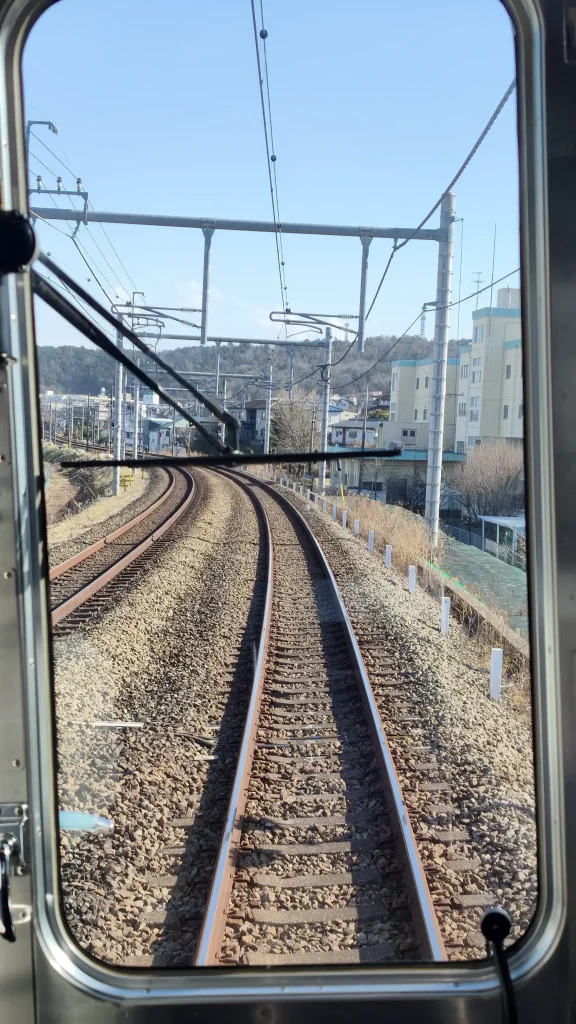
列車行駛至飯能站時會前後方向對調,調頭之後便開始駛入山區,車窗外的景色也從城市天際線切換為層疊的山巒與溪谷。
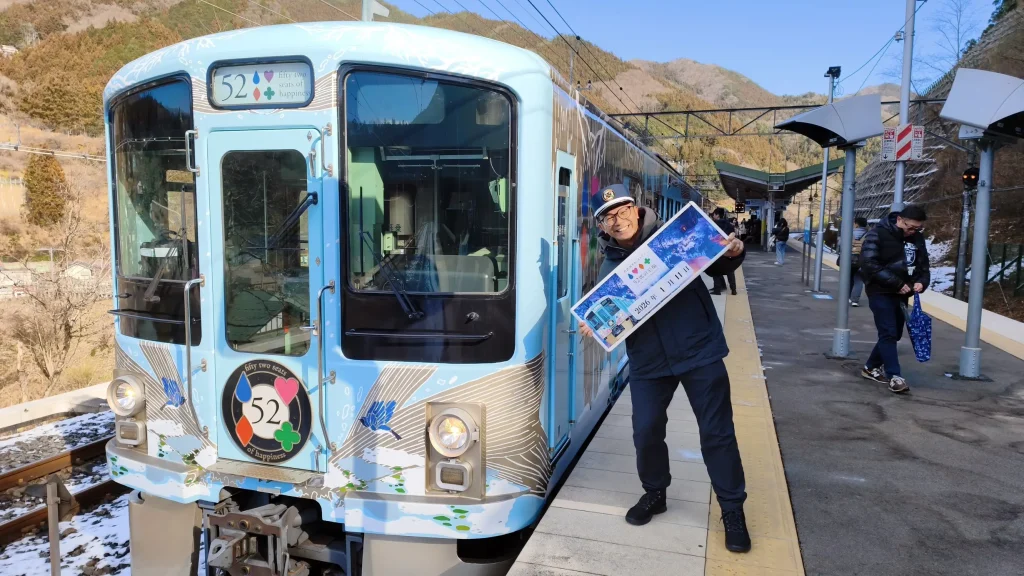
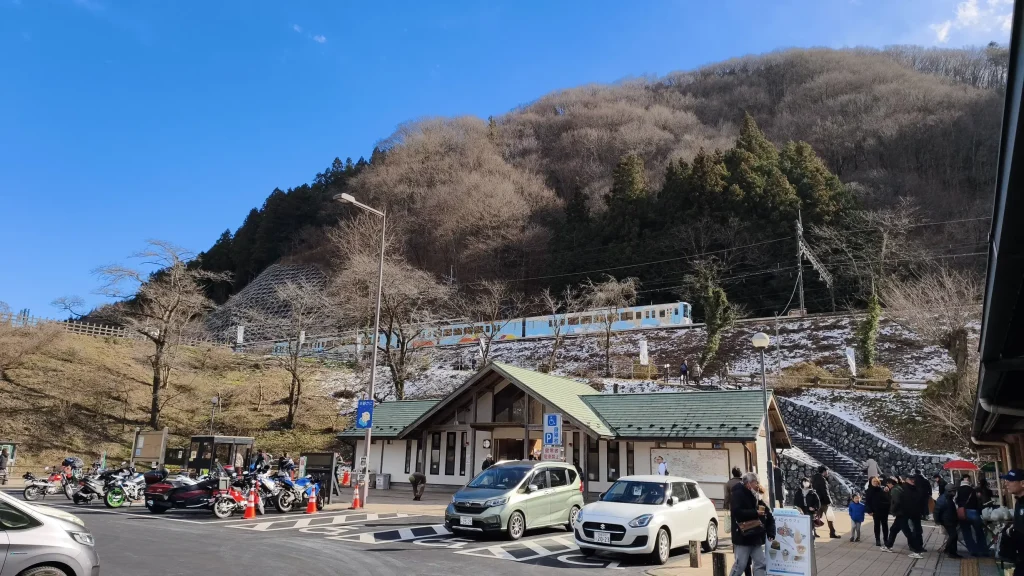
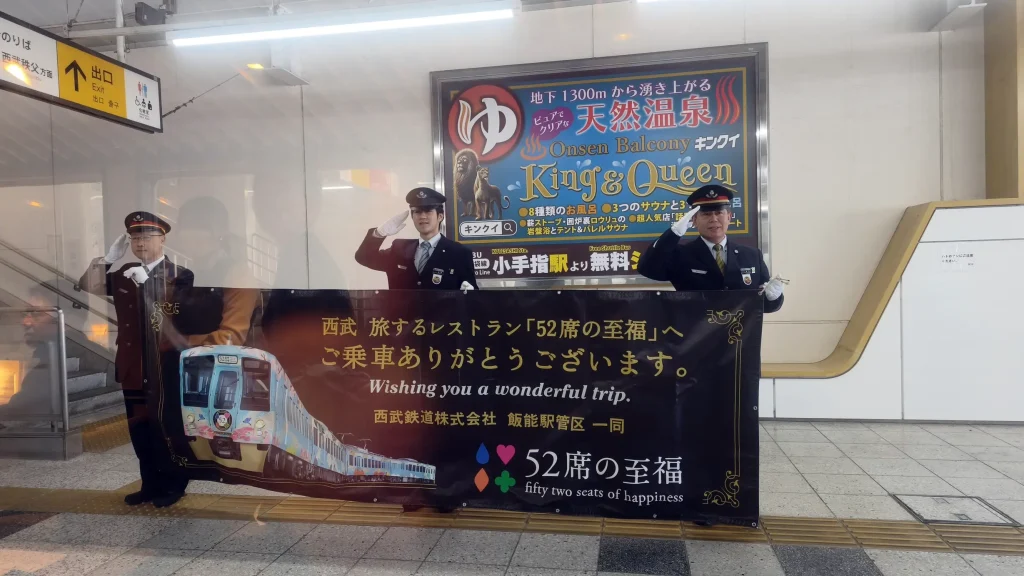
中途在蘆之久保站(芦ヶ久保駅)停靠約20分鐘,讓乘客下車稍作休息。推開車門的瞬間,竟然發現外面佈滿積雪,職員會專門為乘客拍照,乘客更可戴上車長帽及手持告示牌拍攝——這完全是計劃之外的驚喜。銀白色的雪花落在月台上,空氣冷冽而清新,別有一番冬日風味。站旁的「道之驛 果樹公園蘆久保」(道の駅 果樹公園あしがくぼ)販售各種當地特產,短短20分鐘已足夠逛一圈、買幾樣伴手禮。
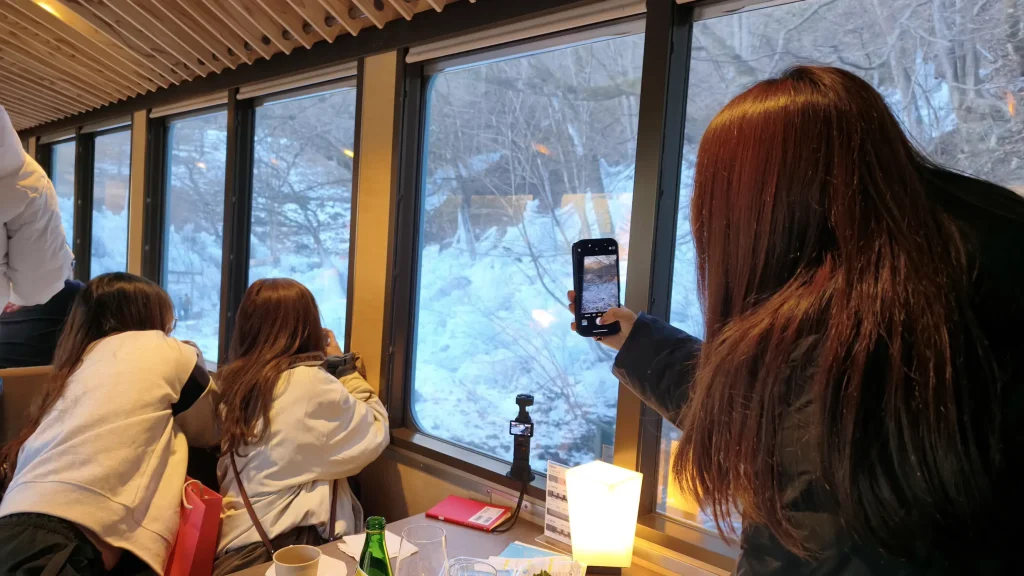
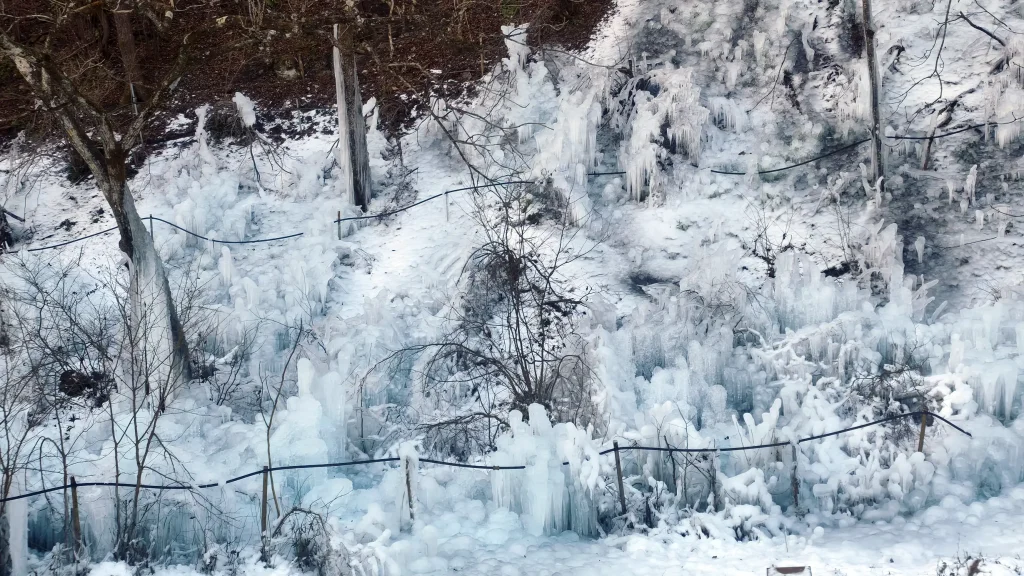
重新上車後不久,車窗外出現了蘆久保冰柱(あしがくぼの氷柱)——正是列車第四節冬季車廂外觀所描繪的那個景象。巨大的天然冰柱沿著岩壁垂掛,在冬日光線下晶瑩剔透,車廂內所有乘客幾乎同時發出驚嘆,紛紛湧向窗邊拍照。這一幕,大概就是「52席的至福」中「至福」二字的最佳注解。而沿途不同車站的職員拉起橫幅列隊歡迎,讓人感受到不一樣的禮遇。
秩父散策:神社與溫泉
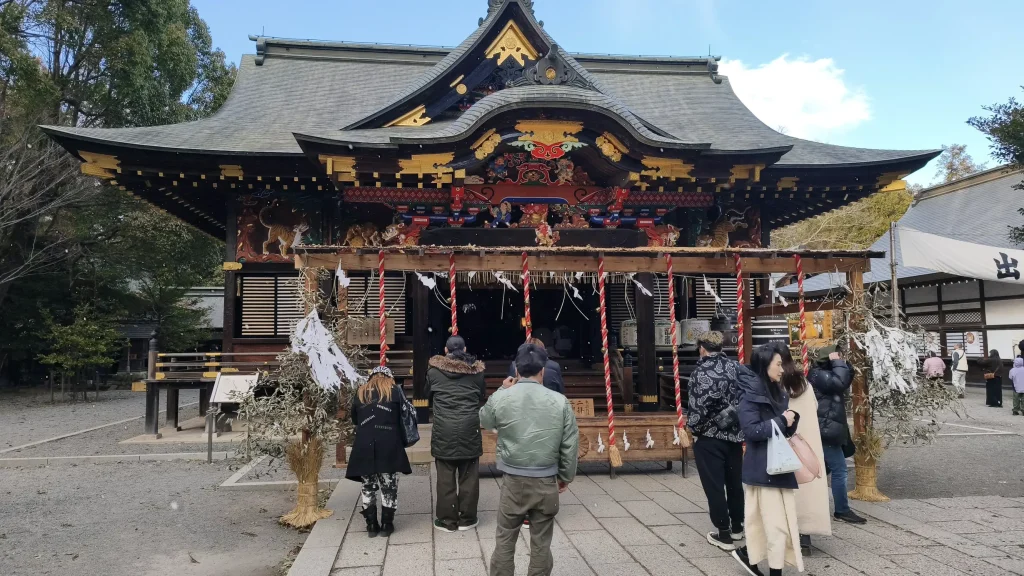
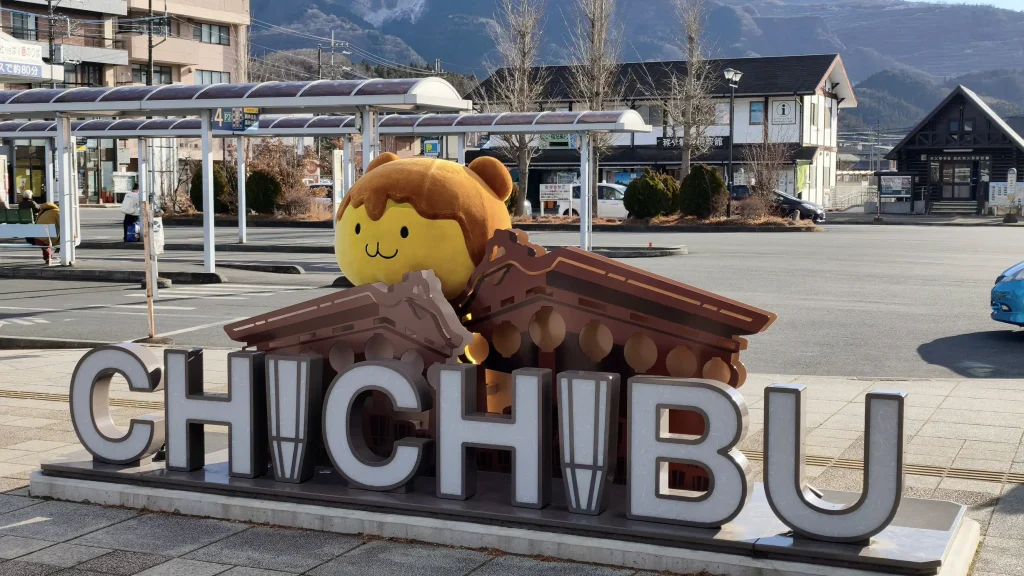
抵達西武秩父站後,站前便是著名的溫泉設施「祭之湯」,集溫泉、餐飲與伴手禮於一身。而步行可達的秩父神社更是必訪之地,神社內的「水占卜籤」(水占みくじ)體驗相當特別——將籤紙浸入水中,文字便會慢慢浮現,頗有儀式感。
回程時天色已暗,但漫天飄雪讓整個秩父小鎮瞬間浪漫起來。在祭之湯商店買了幾瓶當地精釀啤酒,便搭上LaView特急列車(特急ラビュー)返回池袋。LaView以大面積觀景車窗聞名,可惜天已全黑,加上列車在飯能站再次方向對調,同行的同事們基本上車就睡、一路到站——而我望著漆黑的車窗,只能苦笑浪費了這一整排落地大窗。
後記:值不值得?
如果你問我,在東京安排一日觀光列車之旅,「52席的至福」值不值得?我的答案是肯定的,但帶著幾個但是。
首先是距離感剛好。比起去熱海或日光的一日遊容易趕得人仰馬翻,秩父的節奏恰到好處——列車本身就是景點,抵達後散步神社、泡泡溫泉,輕鬆寫意。其次,把列車本身當作旅程的一部分而非單純交通工具,心態上會舒服很多,畢竟現行票價為每位18,000日圓(含稅,2026年3月前乘車適用),2026年4月起調整至每位19,000日圓(含稅),費用已包含西武線一日自由乘車券(西武線1日フリーきっぷ)、全套料理、紀念品及稅項——並不便宜。
但也必須坦白說,列車底子是1989年出廠的4000系車輛改裝而成,車齡逾三十五年,行駛中搖晃感明顯,車上洗手間僅設輪椅通用一間及男士小便斗一個,對52名乘客而言確實捉襟見肘。
不過,改變即將來臨。西武鐵道已於2025年10月正式宣佈,將以現行特急LaView(001系)為基礎新造四節編成的餐廳列車,預計2028年3月投入服務。新車設有先頭車8人專用包廂,座席增至約70席,第三節車廂為全日本餐廳列車中面積最大的廚房車。屆時,現有「52席的至福」的運行形態將另行公佈——換言之,這列由隈研吾親手打造、以西川杉木和秩父銘仙編織出來的獨特車廂,或許即將走入歷史。
又或許,這正是現在去搭的最好理由。
「52席的至福」(52席の至福)|西武鐵道(西武鉄道)|每週六日及特定假日運行,年間約100天|西武新宿・池袋 ⇔ 西武秩父|現行每位18,000日圓起(含料理、一日券及紀念品)|官網預約制|seiburailway.jp/railways/seibu52-shifuku/
A Journey Worth Every Moment — Seibu Railway’s “52 Seats of Happiness” (52-seki no Shifuku)
The Ticket Battle, Months Ago
The most thrilling part of any trip isn’t the day you depart — it’s the moment you secure the ticket.
Seibu Railway’s “52 Seats of Happiness” is a restaurant train with, as its name suggests, just 52 seats. It runs only on weekends and select public holidays — roughly 100 days a year — making it the first dining train to depart from central Tokyo. Reservations open on the railway’s website at the beginning of each month for dates approximately three months ahead, and seats vanish almost instantly. A few months ago, I found myself glued to my screen, poised to pounce the second bookings went live. The adrenaline was not unlike scrambling for concert tickets. Fortunately, I managed to snag the brunch service (Brunch Course) from Seibu-Shinjuku Station to Seibu-Chichibu Station — timed perfectly to coincide with the Tokyo Auto Salon, a fitting bonus to an already packed Tokyo itinerary.
Kengo Kuma’s Moving Work of Art
“52 Seats of Happiness” entered service in April 2016, designed by the celebrated architect Kengo Kuma — his first-ever commission for a railway vehicle interior and exterior. The train is a thorough conversion of a four-car 4000-series set still in active service. Its pale-blue bodywork is adorned with illustrations of Chichibu through the four seasons: the first car depicts spring cherry blossoms at Shiba and Nagatoro; the second, lush green mountains in the height of summer; the third, the fiery autumn foliage of the Chichibu mountain range; and the fourth, the dramatic Ashigakubo icicles of deep winter. Seen approaching from a distance, the train is a rolling picture scroll of the passing year.
Inside, Kuma’s signature reverence for natural materials is unmistakable. The ceiling of the fourth car, a passenger saloon, is clad in Nishikawa timber with a warm, gentle grain. The second passenger car features a ceiling decorated with kakishibu washi — persimmon-tannin-dyed Japanese paper. The curtains separating the seating areas from the aisle in both passenger cars are woven from Chichibu Meisen, a traditional Chichibu silk textile — richly Japanese in character yet refined rather than rustic. The onboard music was composed by Minoru Mukaiya, keyboardist of the jazz-fusion group Casiopea, lending the journey a quietly cinematic soundtrack. The overall effect is a soft, warm, mobile sanctuary. To call it a mode of transport would be to miss the point entirely; it is, in every sense, a work of art you can ride.
Even before boarding, the platform buzzes with excitement. Passengers crowd around the train with phones raised, jostling for the best angle. If you want to capture the moment the train glides into the station, here’s a tip: the Starbucks at Seibu-Shinjuku PePe offers a superb elevated vantage point. Watching the blue carriages slide in from above feels positively cinematic.
The Ritual of Boarding
The experience begins the instant you step aboard. Staff take your coat and hang it in a dedicated cloakroom — a small but telling gesture that shifts your mindset from “catching a train” to “arriving at a feast.” Once seated, a welcome drink appears promptly. On the table sits a beautifully crafted wooden box containing the day’s amuse-bouche, while a seasonal coaster — themed to the four-seasons motif — doubles as a keepsake to take home.
Of the four carriages, the second and fourth are passenger saloons. The third houses the kitchen, and the first serves as a multi-purpose car. Seating is arranged with four-person tables on one side of the aisle and two-person tables on the other, giving the space a pleasantly uncrowded feel. On the day I rode, just 50 guests were aboard, and the atmosphere was tranquil and unhurried. A glance around the carriage revealed that most fellow passengers were older couples, many clearly celebrating an anniversary. The railway does, in fact, offer an anniversary plan — at the time of booking, you can add a special dessert plate inscribed with a personal message.
One thing worth noting: souvenirs are not sold at a dedicated counter, as you might expect on other sightseeing trains. Instead, guests fill in an order slip at their seats — much like a dim sum checklist. That said, all the merchandise is displayed in the first multi-purpose car, so I’d recommend walking up for a look before committing to your order — it saves the risk of buying blind. The coasters, Chichibu Meisen handkerchiefs, and Nishikawa cedar bookmarks are all genuinely worth collecting. As a bonus, this car is usually quiet and makes for an excellent spot to enjoy the scenery or take photos undisturbed.
A Culinary Adventure in Terroir
A word of honesty about the food: if you’re expecting sushi, sashimi, or exquisite kaiseki, you may need to recalibrate. The menu changes every three months, created by a rotating roster of chefs who draw on seasonal ingredients sourced from along the Seibu line and partnering producers. The style is closer to Japan’s fuudo ryōri — regional terroir cuisine. Across four or five courses from appetiser to dessert, the presentation is meticulous and the ingredients unquestionably fresh, but the flavour profile is earthier and more rustic than what many visitors associate with Japanese fine dining.
The third car houses an open kitchen, and passengers are welcome to wander over and watch the chefs at work — a show that is very much part of the experience. Truthfully, the food alone may not leave you speechless. But paired with the shifting landscape outside the window and the warm embrace of the timber-lined interior, the meal as a whole is genuinely enjoyable. Go in with the right expectations, and you’ll find yourself free to savour the journey on its own terms.
A Surprise Outside the Window: Icicles in the Snow
At Hannō Station, the train reverses direction. From this point onward, it begins threading through the mountains, and the view outside transitions from urban skyline to layered ridges and river gorges.
The train pauses at Ashigakubo Station for roughly 20 minutes so passengers can stretch their legs. As the doors opened, I was greeted by an entirely unexpected sight: a blanket of fresh snow. Station staff stood ready to photograph guests, who were invited to don the conductor’s cap and pose with a commemorative signboard — a completely unscripted delight. Snowflakes drifted onto the platform, the air was sharp and bracing, and the whole scene carried a distinct winter magic. The adjacent Michi-no-Eki Fruit Park Ashigakubo — a roadside rest stop selling local produce — is easily browsable in the allotted time, and I picked up a handful of souvenirs.
Shortly after reboarding, the famed Ashigakubo icicles appeared outside the window — the very spectacle depicted on the fourth car’s winter-themed exterior. Enormous natural icicles hung from the rock face, glistening in the winter light. A collective gasp swept through the carriage as virtually every passenger surged to the windows, cameras in hand. If ever a single moment encapsulated the shifuku — the “bliss” — in the train’s name, this was it. Along the route, staff at various stations lined the platform with welcome banners, adding a charming sense of occasion to the entire journey.
Chichibu at Leisure: Shrines and Hot Springs
Upon arrival at Seibu-Chichibu Station, the well-known hot-spring complex Matsuri-no-Yu stands right outside — a one-stop destination combining baths, dining, and souvenir shopping. A short walk away is Chichibu Shrine, an essential visit. Its mizu-ura mikuji — a water-divination fortune slip — is a particularly memorable experience: dip the blank paper into sacred water and watch the characters slowly materialise, a small but wonderfully ritualistic moment.
By the time I headed back, night had fallen, though the swirling snowfall lent the little town an unexpected romance. I grabbed a few bottles of local craft beer at the Matsuri-no-Yu shop and boarded the Laview limited express back to Ikebukuro. The Laview is renowned for its expansive panoramic windows, but with total darkness outside — compounded by yet another directional reversal at Hannō — my colleagues promptly fell asleep for the duration. I sat staring at my own reflection in that magnificent wall of glass, and could only laugh at the wasted view.
Postscript: Was It Worth It?
If you asked me whether a day trip on “52 Seats of Happiness” is worth building into a Tokyo itinerary, my answer would be yes — with a few caveats.
First, the distance is just right. Compared with day trips to Atami or Nikkō, which can feel like a race against the clock, Chichibu strikes the perfect tempo. The train itself is the attraction; upon arrival, a stroll through the shrine grounds and a dip in the hot springs round out a relaxed, unhurried day. Second, it helps enormously to regard the train as part of the experience rather than mere transport. That mental shift matters, because the fare is not insignificant: ¥18,000 per person (tax included; valid for journeys through March 2026), rising to ¥19,000 per person from April 2026 onward. The price covers a Seibu Line one-day free pass, the full meal, souvenirs, and tax — but it is, undeniably, a premium outing.
In the interest of full transparency, the train’s bones are a 4000-series set built in 1989. At over 35 years old, the ride is noticeably bumpy, and the onboard facilities stretch to just one wheelchair-accessible toilet and a single men’s urinal — tight provisions for 52 passengers.
Change, however, is on the horizon. In October 2025, Seibu Railway officially announced that a new four-car dining train will be built on the platform of the current Laview limited express (001 series), with an expected launch in March 2028. The new train will feature a private eight-seat compartment in the lead car, expanded seating for approximately 70 guests, and what is set to be the largest kitchen car on any restaurant train in Japan. The future of the current “52 Seats of Happiness” service will be announced separately — which is to say, this unique carriage, handcrafted by Kengo Kuma from Nishikawa cedar and Chichibu Meisen silk, may soon pass into history.
Then again, perhaps that is the best reason of all to ride it now.
“52 Seats of Happiness” (52席の至福) | Seibu Railway | Operates Saturdays, Sundays, and select holidays — approximately 100 days per year | Seibu-Shinjuku / Ikebukuro ⇔ Seibu-Chichibu | From ¥18,000 per person (includes meal, one-day pass, and souvenirs) | Reservation required via official website | https://www.seiburailway.jp/railways/seibu52-shifuku/en/