Spielwarenmesse 2027:Kidult大爆發,新興市場改寫版圖
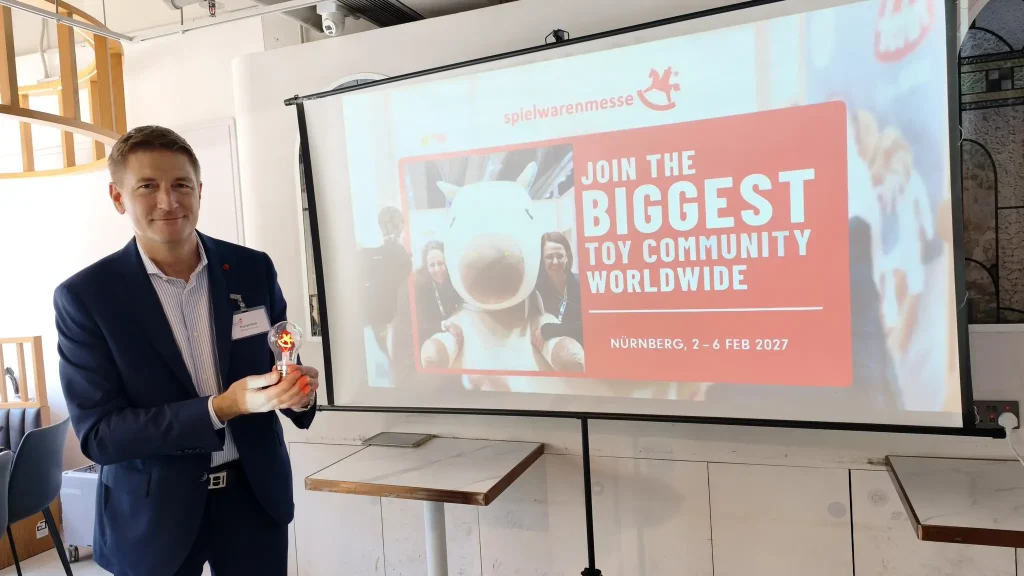
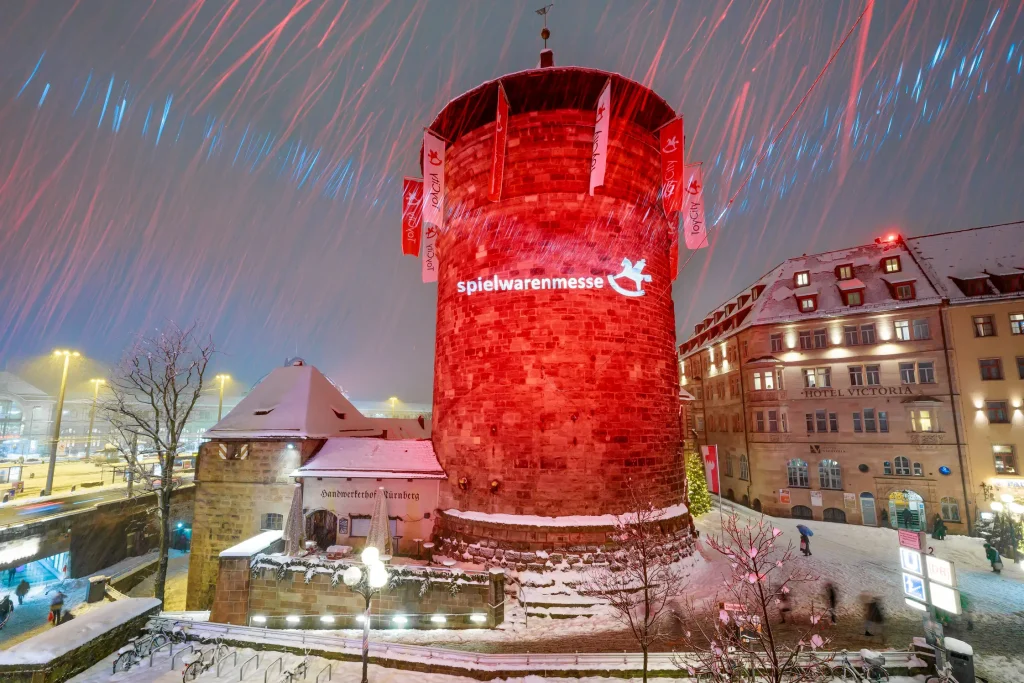
紐倫堡玩具展 2027 又返嚟喇!第 76 屆 Spielwarenmesse 將於 2027 年 2 月 2 至 6 日舉行,主入口旁設有 ToyTrends 專區。今屆 Märklin、Tamiya 坐陣,Faller 亦重返會場;如何在 Kidult 這塊大餅分一杯羹,應該成為明年的焦點。
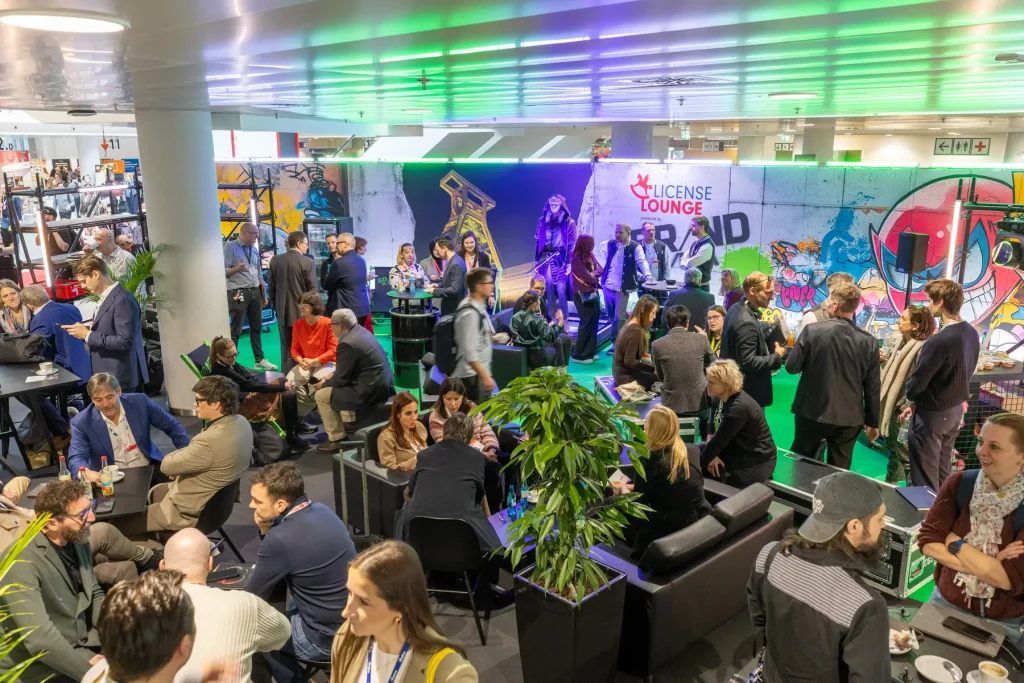
先講數據。2026 年紐倫堡玩具展有 2,313 間展商來自 68 個國家,國際展商佔逾八成,新展商 488 間,展覽面積 175,000 平方米;專業買家 58,941 人,來自 123 個國家,總數按年升 2.5%,其中約 65.5% 來自海外。展商來源地以德國、中國居首,香港排第三位。香港貿易發展局當年率領破紀錄的 46 家香港公司參展,展覽團分佈三個展館。2027 年展預計逾 2,000 家展商,分佈 18 個展館、14 個產品組,並新增第 14 個產品組 Manufacturing Services(生產服務);ToyTrends、New Product Gallery、LicenseLounge、ToyAward 及 Kidults 專區將再次登場。
講完展會講行業。Circana《2026 Global Toy Report》顯示,2025 年全球玩具銷售達 1,230 億美元,較 2024 年的 1,143 億升 8%。10 歲以下兒童仍佔逾 65%,但比重下降;15 歲及以上接收者已佔近 20%,消費自 2020 年起超過翻倍。近 40% 歐洲消費者表示,2025 年有為自己或另一位成人購買玩具。Kidult 消費方面,截至 2025 年 9 月的 12 個月,美國 12 歲及以上接收者相關消費達 134 億美元,升 12%;歐洲五國(德國、英國、意大利、西班牙及法國)達 57 億歐元,升 14%,佔當地玩具銷售 32%,其中德國的 Kidults 佔比為五國最高,達 35%。收藏品同期升 32%,已佔全球銷售額近 19%。換言之,玩具正在變成跨年齡的生活方式、粉絲文化與興趣消費,零售與品牌再難把成人市場當成附加項。
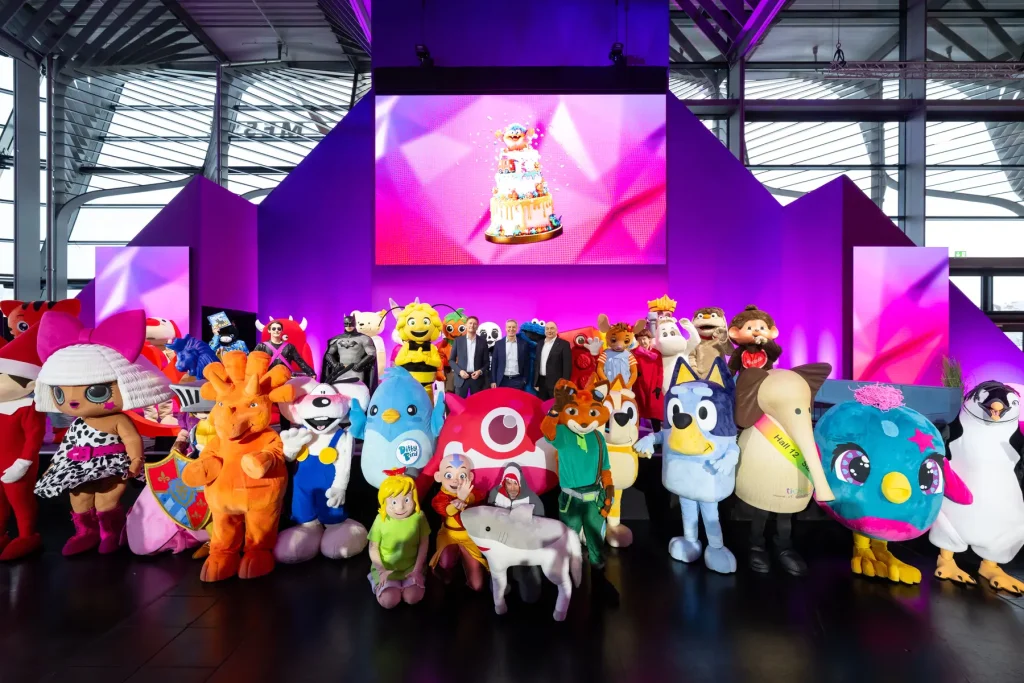
Circana 指,授權產品 2025 年銷售升 15%,佔全球市場 37%,創有紀錄以來最高。2027 年兩條 ToyTrends 之中,「License to Play」正是回應這股力量:經典如 Pokémon、Star Wars、One Piece,以及動漫與 K-pop 等亞洲 IP,都會成為焦點;另一條「Beyond Limits」則指向具治療、復康及特殊需要功能的玩具。Pokémon 仍是全球第一大玩具 IP,其後為 Hot Wheels、Marvel Universe、Barbie 及 Star Wars。
Circana 進一步指出,各區都有增長,但亞洲及大洋洲最強,亞洲更已超越歐洲,成為全球第二大玩具市場;北美仍居首位,佔 41%。發達市場靠粉絲文化與高端化帶動增量,新興市場則受人口、城市化及兒童人均消費上升推動。這與 Dialogue 上談及的「增長市場與地區」互相呼應。香港數字也反映這次轉向:政府統計處數據顯示,2025 年香港玩具及遊戲出口回升至 185.66 億港元,按年升約 36%。2025 年首 11 個月,東盟已成為香港最大的出口市場(以地區集團計),佔 30.2%,出口額按年增逾一倍。
與往年一樣,主辦方今年仍未公布模型車或 1:64 的獨立市場規模。不過行業環境明顯向收藏與興趣消費傾斜:全球收藏品銷售升 32%,Hot Wheels 穩佔全球第二大玩具 IP,模型組亦有 Märklin、Tamiya 及重返的 Faller 坐陣。
過往香港 Spielwarenmesse Dialogue,多由主辦方以趨勢、數據及下一屆展會重點作簡報。例如 2024 年的 Dialogue,同樣由 Spielwarenmesse 執行董事會成員 Florian Hess 主講,焦點放在人工智能如何縮短產品周期,以及當時的全球市場概況;籌備 2026 年 75 周年展時,則較多圍繞「Spirit of Play」主題,以及桌遊、卡牌與 Action Figure 等品類增長。今年再次由 Florian Hess 主講,分享環球玩具趨勢,並預告 2027 年展的新貌。今年新增一場 Fireside Chat,Hess 邀請 DecoFunPlay 總經理 Magnus Tyrén 分享參展經驗。
Spielwarenmesse 2027 會是一屆以成年玩家、授權 IP 與亞洲市場重新校準的展會。香港作為展商來源地的前列成員,比拼的已不只是產能,而是故事、授權與收藏社群的經營。
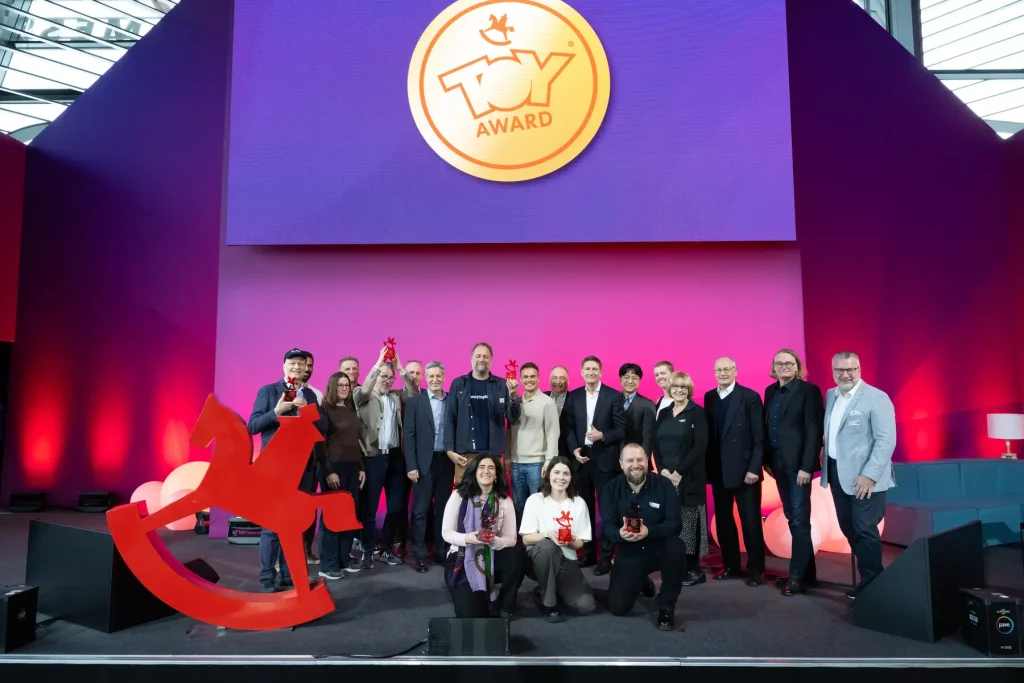
Spielwarenmesse 2027: Kidults Boom as Emerging Markets Redraw the Map
The Spielwarenmesse is back. The 76th edition of the Nuremberg toy fair runs from 2 to 6 February 2027, with the ToyTrends showcase in its prime spot by the main entrance. Märklin and Tamiya will be there, Faller is returning — and how brands carve up the kidult pie looks set to be the defining question of next year’s fair.
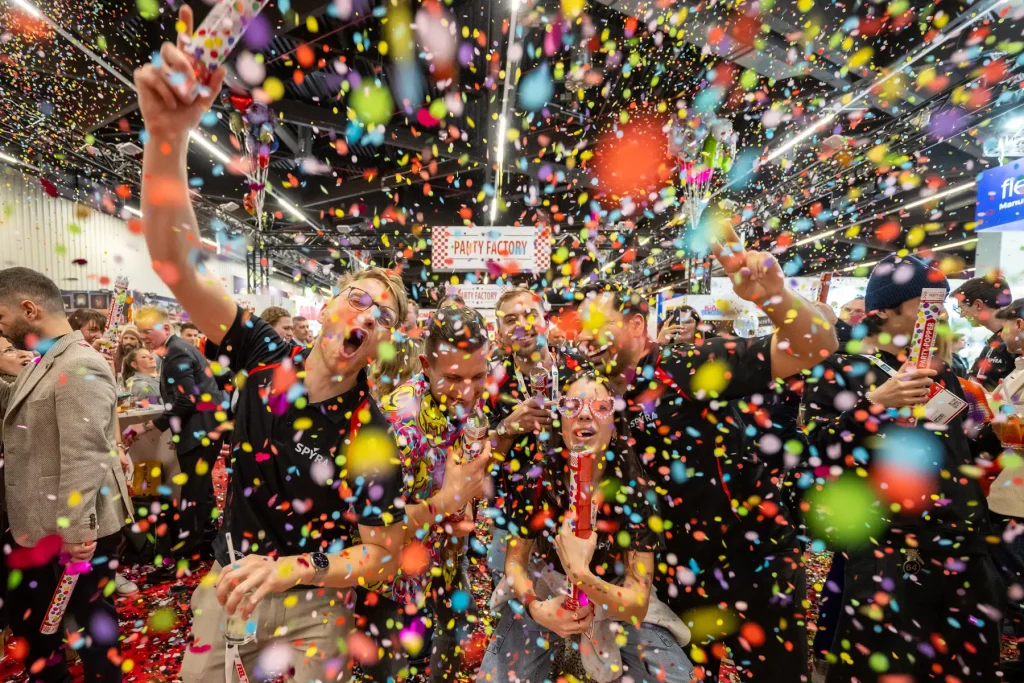
First, the numbers. The 2026 fair hosted 2,313 exhibitors from 68 countries — more than 80 per cent of them international — including 488 first-time exhibitors, across 175,000 square metres. Trade visitors totalled 58,941 from 123 countries, up 2.5 per cent year on year, with around 65.5 per cent coming from abroad. Germany and China were the largest exhibitor sources, with Hong Kong third. The Hong Kong Trade Development Council brought a record 46 Hong Kong companies, with pavilions spread across three halls. For 2027, the organiser expects more than 2,000 exhibitors in 18 halls across 14 product groups, adding a new 14th group, Manufacturing Services, while ToyTrends, the New Product Gallery, the LicenseLounge, the ToyAward and the Kidults area all return.
From the fair to the industry: Circana’s 2026 Global Toy Report puts global toy sales at US$123 billion in 2025, up 8 per cent from US$114.3 billion in 2024. Children under ten still account for over 65 per cent of sales, but their share is slipping; recipients aged 15 and over now take nearly 20 per cent, and spending on them has more than doubled since 2020. Nearly 40 per cent of European consumers say they bought a toy for themselves or another adult in 2025. On kidult spending, in the twelve months to September 2025, purchases for US recipients aged 12 and over reached US$13.4 billion, up 12 per cent; across Europe’s big five markets — Germany, the UK, Italy, Spain and France — the figure was €5.7 billion, up 14 per cent and 32 per cent of those markets’ toy sales, with Germany posting the highest kidult share of the five at 35 per cent. Collectibles, meanwhile, grew 32 per cent to nearly 19 per cent of global sales. In short, toys are becoming a cross-generational lifestyle, fandom and hobby spend — and neither retailers nor brands can afford to treat the adult market as an add-on any longer.
Circana reports that licensed toy sales rose 15 per cent in 2025 to a record 37 per cent of the global market. One of the two ToyTrends for 2027, “License to Play”, speaks directly to that force: classics such as Pokémon, Star Wars and One Piece, alongside Asian IP from anime and K-pop, will take the spotlight. The other, “Beyond Limits”, turns to toys with therapeutic, rehabilitative and special-needs functions. Pokémon remains the world’s number-one toy property, ahead of Hot Wheels, the Marvel Universe, Barbie and Star Wars.
Circana also notes growth in every region, led by Asia and Oceania: Asia has overtaken Europe to become the world’s second-largest toy market, while North America remains first with 41 per cent. Developed markets are growing on fandom and premiumisation; emerging markets on population growth, urbanisation and rising spend per child — a picture that echoes the “growth markets and regions” theme at the Dialogue. Hong Kong’s figures tell the same story of a pivot: Census and Statistics Department data show the city’s toy and game exports rebounding to HK$18.57 billion in 2025, up around 36 per cent. In the first eleven months of the year, ASEAN became Hong Kong’s largest export market as a bloc, accounting for 30.2 per cent, with export value more than doubling year on year.
As in previous years, the organiser has published no standalone market size for model cars or 1:64 scale. But the industry’s centre of gravity is unmistakably shifting towards collecting and hobby spending: global collectibles sales rose 32 per cent, Hot Wheels stands as the world’s second-largest toy property, and the model halls will have Märklin, Tamiya and the returning Faller in place.
Hong Kong’s Spielwarenmesse Dialogues have traditionally been organiser-led briefings on trends, data and the next edition. In 2024, Florian Hess, a member of the Spielwarenmesse executive board, focused on how artificial intelligence is shortening product cycles, alongside a read on the global market; preparations for the 75th-anniversary fair in 2026 centred on the “Spirit of Play” theme and on growth in board games, trading cards and action figures. This year, Hess again presented global toy trends and previewed the 2027 fair — joined by a new fireside chat, in which he invited Magnus Tyrén, general manager of DecoFunPlay, to share his experience of exhibiting.
Spielwarenmesse 2027 will be a fair recalibrated around adult players, licensed IP and the Asian market. For Hong Kong, a top-three source of exhibitors, the contest is no longer about production capacity alone — it is about stories, licences and the communities of collectors a brand can build.