先買模型再去搭|Greenmax 近鉄あをによし aoniyoshi N比例 50745 實測 連班次攻略
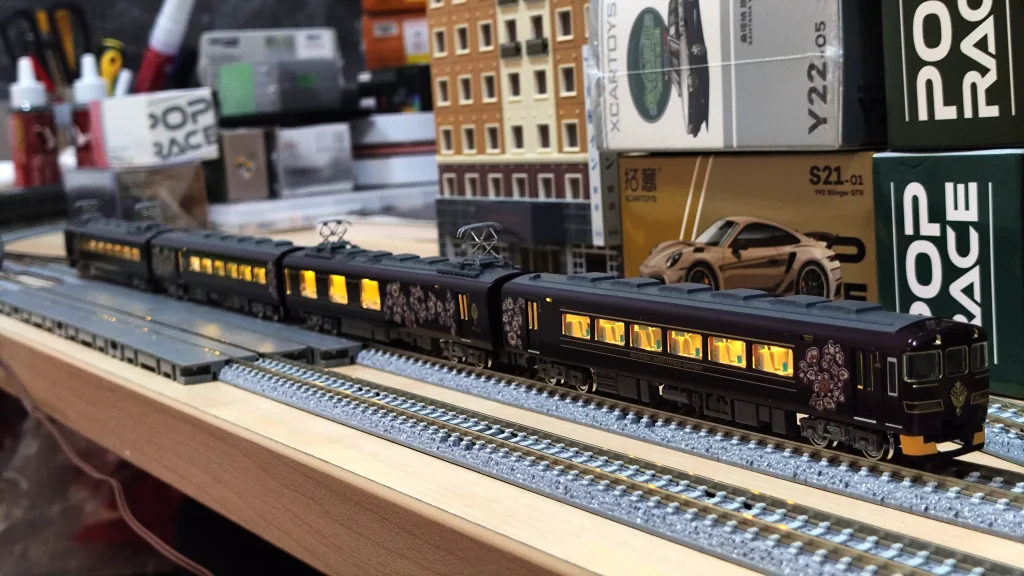
呢架紫色觀光特急「あをによし」(aoniyoshi)唔係靠速度取勝,而係「坐車本身就係目的地」。我嘅玩法有少少特別:先喺香港入手咗 Greenmax 50745 模型,研究咗部車先飛日本搭真車——結果落到車廂,每個細節都對得返上。呢篇同你講三件事:模型還原咗咩、真車背後有咩故事、以及班次同價錢點睇先唔會撲空。就算你唔係鐵道迷,當一次輕旅行攻略睇都得。
真車:一架退役老兵嘅華麗轉生
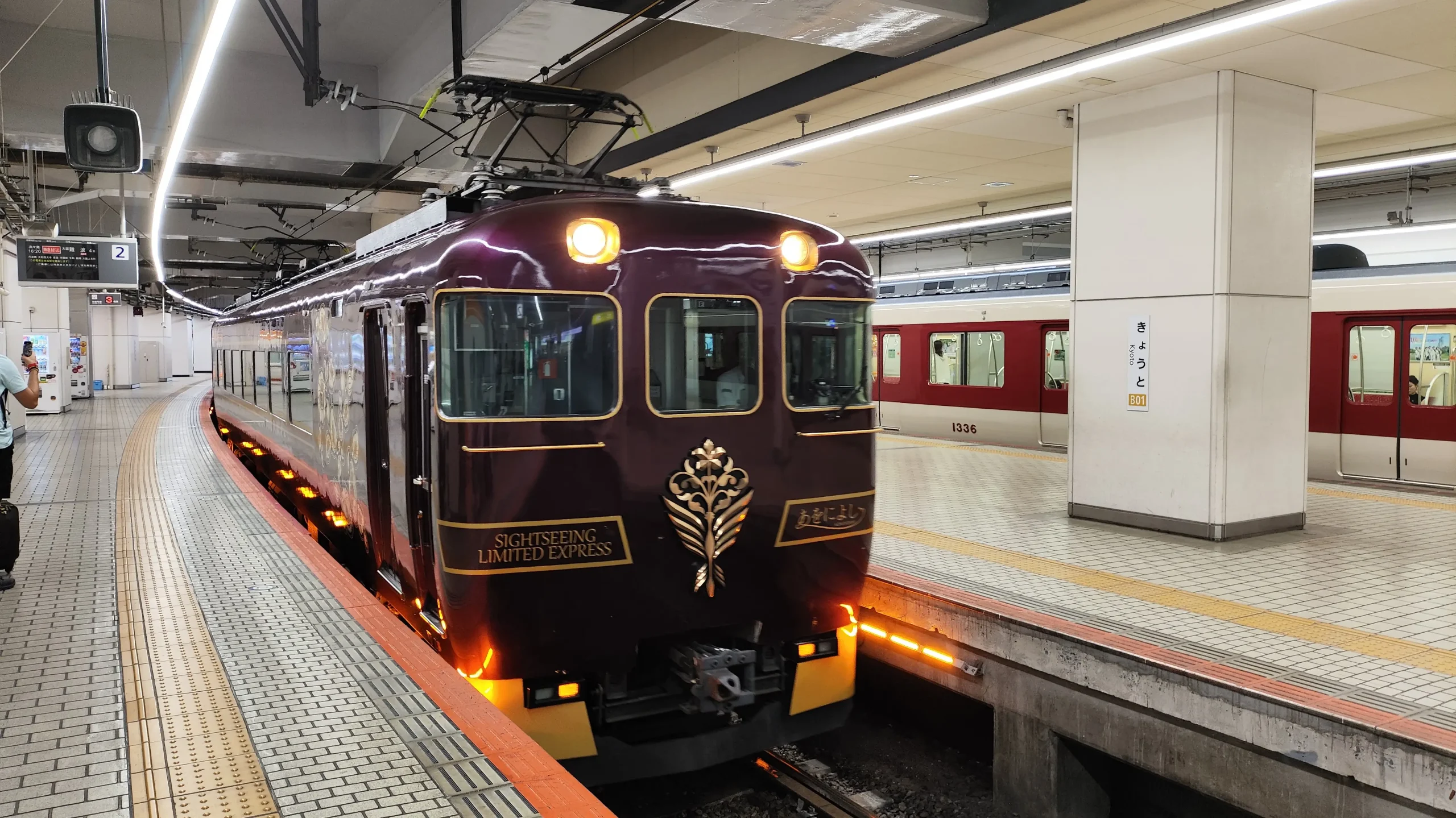
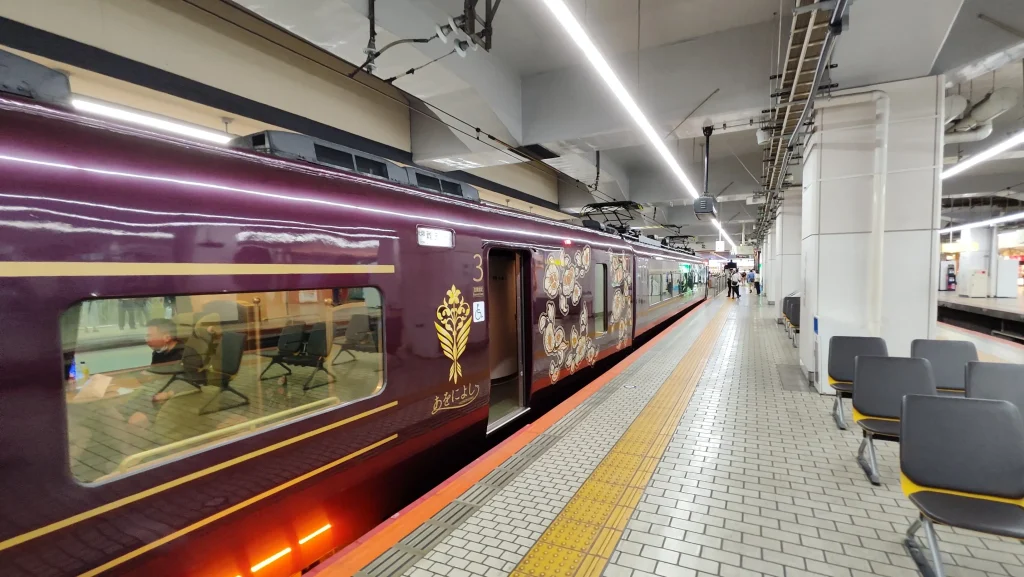
呢架車嘅前身,係近鐵製造數量最多嘅特急「12200系」。近鐵一共造咗168輛12200系,佢喺近鐵特急網絡擴張期擔當核心角色,2021年正式引退。退役之後冇報廢,反而被揀中改造重生——換上紫色新裝,2022年4月以觀光特急「あをによし」嘅身份再上路。
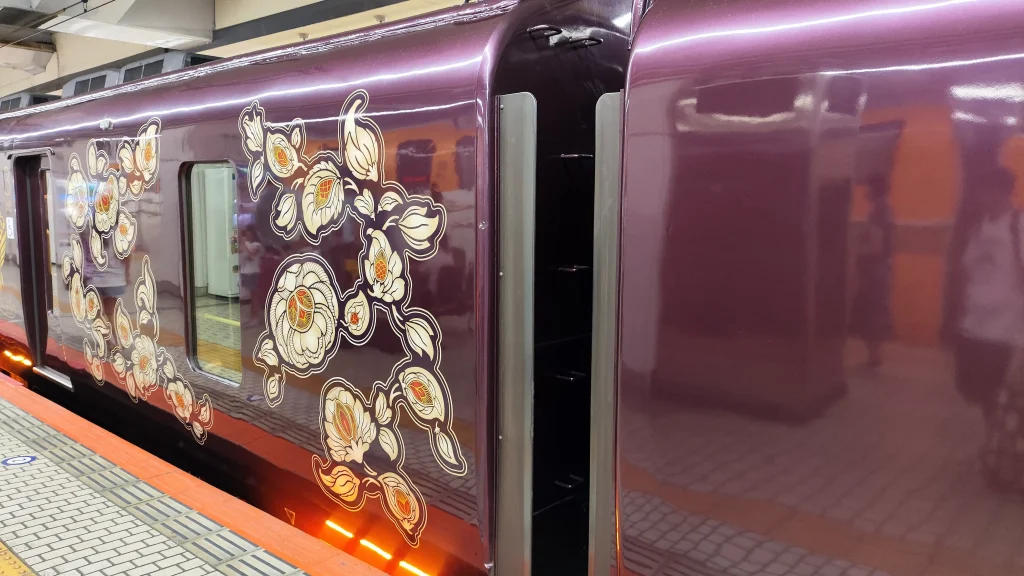
點解係紫色?因為紫色喺天平時代係最高貴嘅顏色。「あをによし」本身係形容奈良嘅枕詞,描繪平城京華麗繁盛嘅樣子,近鐵改造12200系時就用呢個名,希望佢成為象徵古都奈良嘅觀光特急。車頭嗰個金屬徽章係「花喰鳥」吉祥紋,車身花紋全部取材自正倉院寶物。
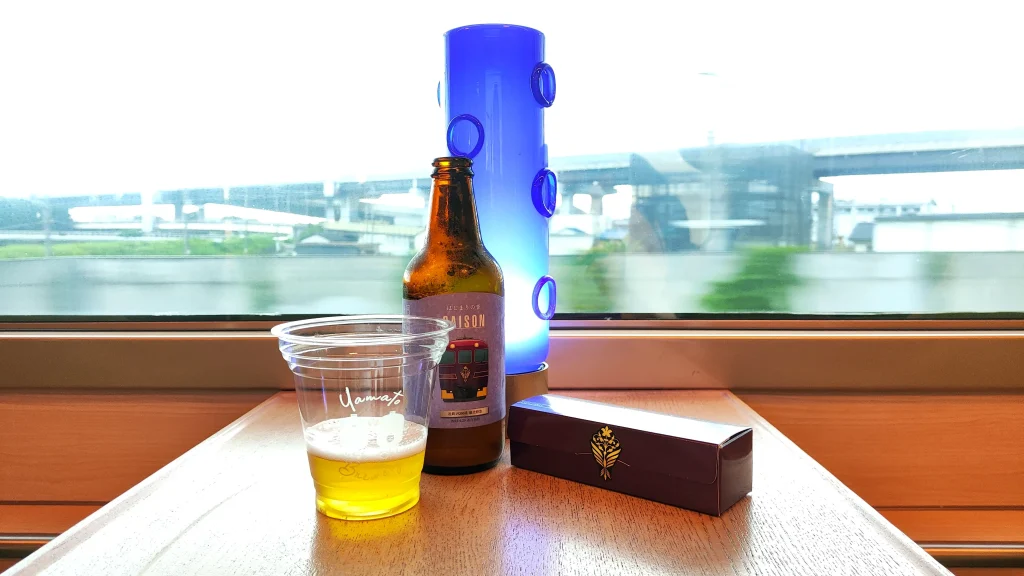
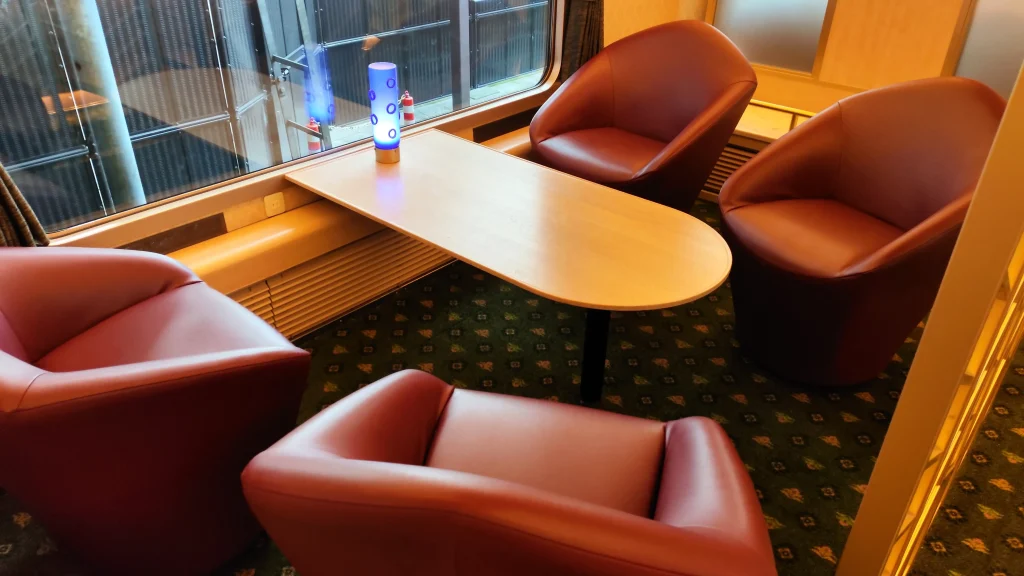
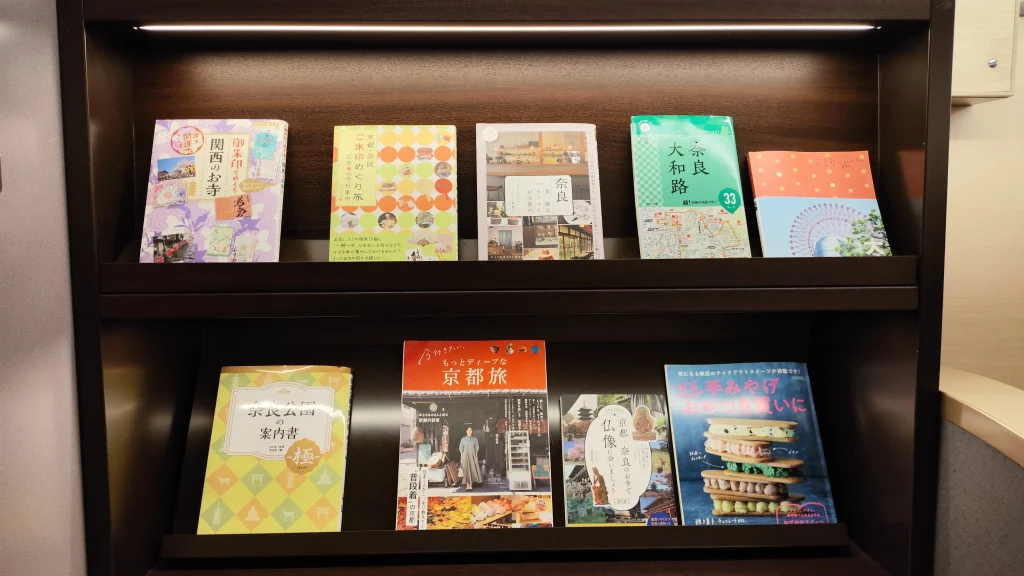
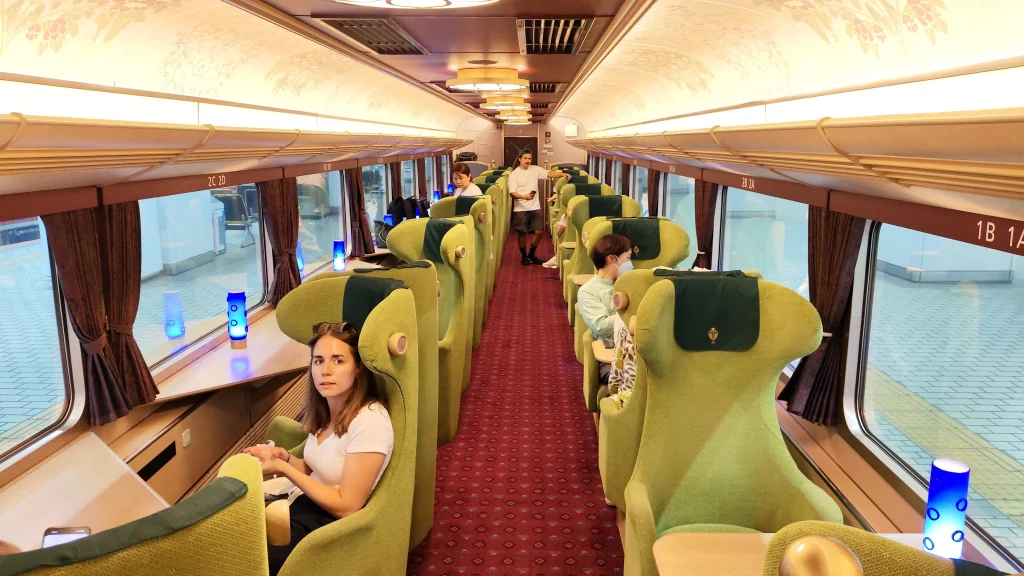
車廂只得84個位,但每個位都唔簡單。1、3、4號車係雙人座,有面向窗同面對面兩種配置,係家具廠特注品;2號車係 サロンシート,用間隔做成半包廂,通道有拱形設計,配上近鐵最大嘅車窗。同一節仲有校倉造風格嘅小賣部同圖書角。每張枱窗邊嗰盞藍色燈,原型係正倉院所藏嘅「瑠璃杯」,而且唔係膠造,係同實物一樣用玻璃整。
班次同價錢:唔睇清楚會撲空
呢部分最實用,因為班次真係好少。
幾時行: 基本上逢星期四休息,一星期行6日。
行幾多班: 大阪難波↔近鐵奈良↔京都每日1來回,近鐵奈良↔京都每日3來回(即近鐵奈良↔京都段合計4來回)。換句話講,直達大阪嘅班次,一日就只得朝早同黃昏各一班,中間嗰幾班只係京都奈良之間行。
大約時刻(參考): 難波09:30開→10:50到京都;之後京都同奈良之間來回幾班;最尾京都15:20開→16:40返到難波。
坐幾耐: 京都到近鐵奈良大約35分鐘,大阪難波到近鐵奈良大約40分鐘。大阪難波到京都全程約1小時14分。
幾錢: 兩人坐 ツインシート、每人一程嘅運賃連料費合計——大阪難波↔京都1960円、大阪難波↔近鐵奈良1300円、近鐵奈良↔京都1370円。[抵就抵在:「あをによし」嘅特別車輛料金,無論坐幾遠都只係大人210円。即係多畀200幾蚊日圓,就坐到觀光特急。
三個一定要知嘅伏位:
- 要早訂飛。 特急券喺乘車日1個月前嘅朝早10:30開賣,班次少,尤其3組沙龍席極搶手,一開賣就秒殺,雙人座假日幾乎即時賣完,平日3星期前都已經滿。
- 唔係直達,要兜經奈良。 由大阪去京都嗰程,因為要經奈良,列車會喺奈良掉頭、前後方向調轉,唔知就會以為「咦,係咪行返大阪?」
- 想買小賣部嘢食就要快手。 因為車程得約35分鐘,小賣部好快就逼爆,排到隊買到嗰陣可能就快到站,想喺車上嘆嘢飲,一上車就要去。
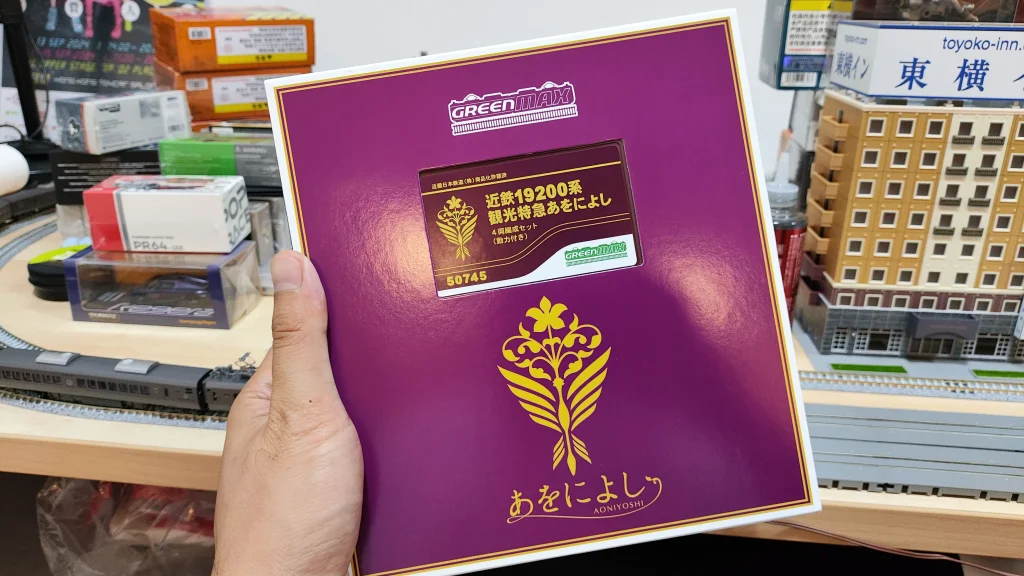
模型:Greenmax 50745 + 50815 升級解析
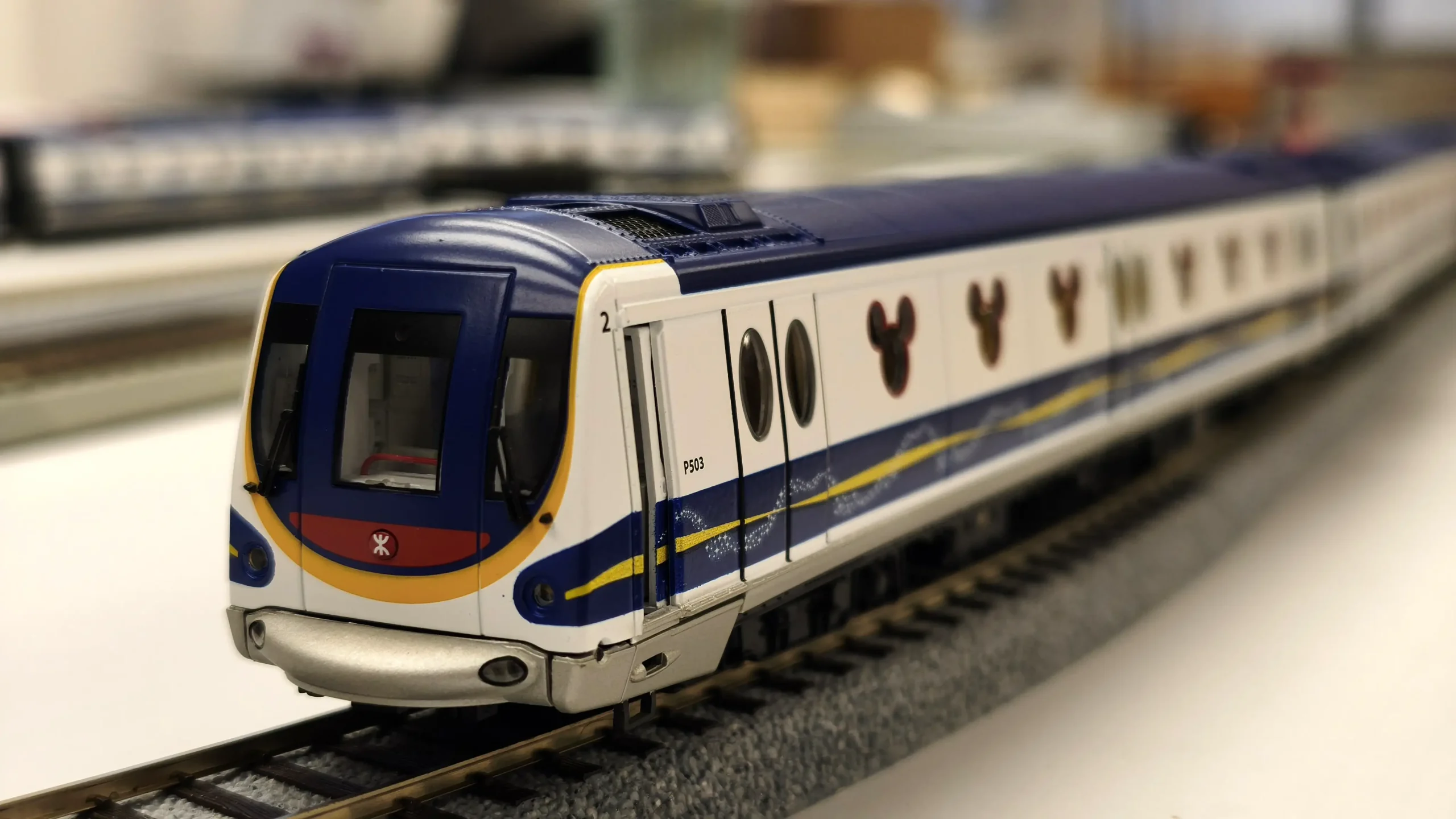
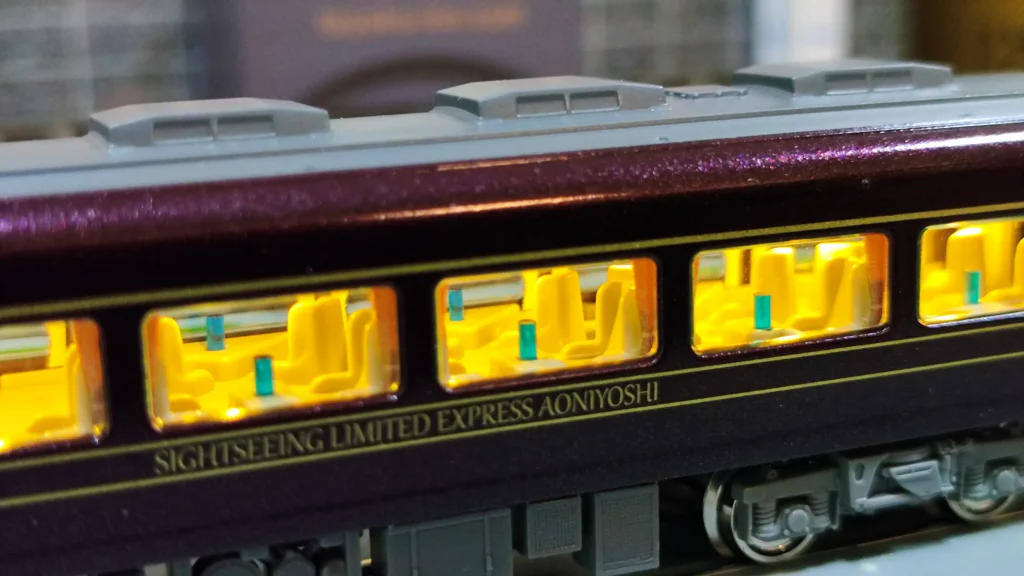
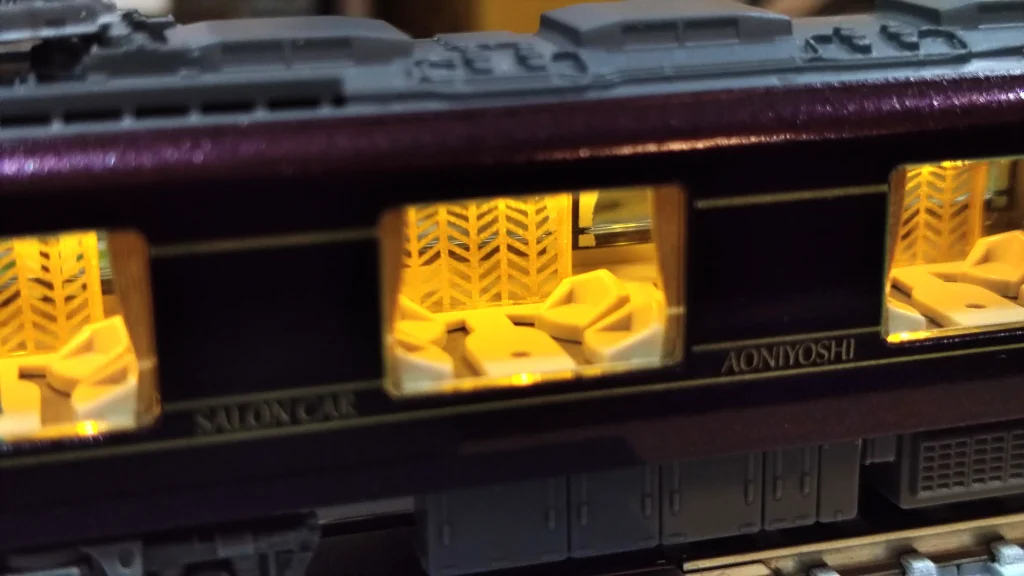
我買嘅係 Greenmax 50745——近鉄19200系あをによし N比例(1:150)四卡編成完成品,附動力。研究模型嗰陣已經被佢吸引:紫色車身帶金屬感、天平文樣印刷、車頭花喰鳥徽章係獨立零件裝上、車內有專用座椅零件,連窗邊嗰排桌燈都用咗透明藍色零件還原——即係真車「瑠璃杯」嗰個位。頭燈、尾燈、通過標識燈全部可亮。
2025年11月出嘅 50815(¥32,340)係再生產版,外觀基本一樣,主要兩個改動:一,車頭連結器升級為「電連付き」造型,更貼近真車現況;二,收納盒由栗色改為灰色。已經有50745嘅唔需要重複入手;新入手就直接揀50815。
個人感受:研究咗部車先去搭,落車一刻全部對得返上
呢次玩法係倒轉嚟:先喺香港買咗50745,放上軌道開燈行,研究咗成部車先飛日本。所以一上到真車,我已經知道窗邊嗰盞藍燈係瑠璃杯、知道2號車有小賣部、知道車身個紫色係天平貴色。
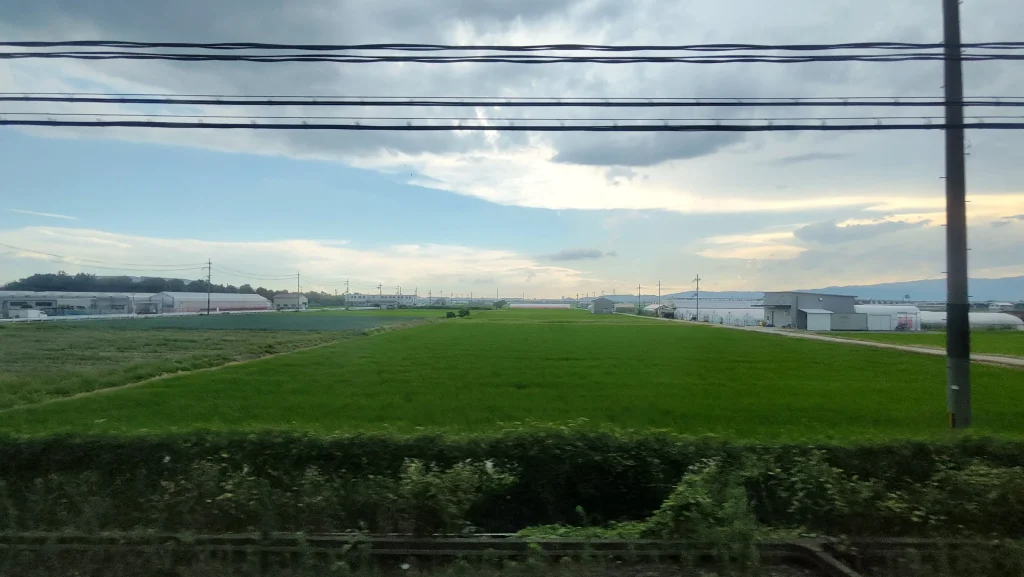
實戰提你:我搭嘅係京都去奈良嗰段,唔好以為京都直達大阪,中間要兜經奈良掉頭。一上車我即刻衝去小賣部,因為真係好多人爭——餅同啤酒講真味道一般般,但坐喺紫色車廂、藍燈亮住、窗外係古都田野,個氣氛先係重點,似喺移動嘅 lounge 多過似搭車。仲有,大阪難波唔係終點站咁簡單,到站好快有下一班車入月台,要提早收拾,我上次就瞓著咗畀職員叫醒,幾狼狽。
Buy the Model First, Then Ride It|Greenmax Kintetsu Aoniyoshi N Scale 50745 Hands-On Review + Timetable Guide
This purple sightseeing express, the Aoniyoshi (あをによし), isn’t about speed—the whole point is that “the journey itself is the destination.” My approach was a little unusual: I picked up the Greenmax 50745 model in Hong Kong first, studied the train inside out, and only then flew to Japan to ride the real thing—and every detail matched up perfectly. This piece covers three things: what the model recreates, the story behind the real train, and how to read the timetable and fares so you don’t miss out. Even if you’re not a railfan, it works just as well as a light travel guide.
The Real Train: A Retired Veteran’s Glamorous Rebirth
The Aoniyoshi started life as the 12200 series, the most-produced limited express in Kintetsu’s history. A total of 168 units were built, and they were the backbone of Kintetsu’s express network during its expansion years, before being officially retired in 2021. Instead of being scrapped, it was chosen for a full makeover—reborn in a new purple livery and relaunched in April 2022 as the Aoniyoshi sightseeing express.
Why purple? Because in the Tenpyō era, purple was the most noble of all colors. “Aoniyoshi” itself is a classical poetic epithet for Nara, evoking the flourishing splendor of the ancient capital Heijō-kyō. Kintetsu chose the name hoping the train would become a symbol of historic Nara. The metallic emblem on the front is the auspicious Hanakuidori (flower-eating bird) crest, and the body patterns are all drawn from the treasures of the Shōsōin repository.
The train seats just 84 passengers, but every seat is special. Cars 1, 3 and 4 feature Twin Seats, available in both window-facing and face-to-face layouts, custom-made by a furniture manufacturer. Car 2 has Salon Seats, with partitions creating semi-private booths, arched aisle design, and Kintetsu’s largest windows. The same car also houses a shop and library corner styled after traditional azekura architecture. The blue lamp beside each table is modeled on the “Lapis Lazuli Cup” (Ruriwan) held in the Shōsōin—and it’s not plastic, but made of real glass just like the original.
Timetable & Fares: Don’t Get Caught Out
This part is the most useful, because services really are limited.
When it runs: Generally closed on Thursdays, operating 6 days a week.
How many runs: One round trip daily on the Osaka-Namba ↔ Kintetsu-Nara ↔ Kyoto route, plus three round trips daily between Kintetsu-Nara ↔ Kyoto (four round trips total on the Nara–Kyoto section). In other words, there’s only one direct service to Osaka in the morning and one in the evening—the rest run only between Kyoto and Nara.
Approximate schedule (for reference): Departs Namba 09:30 → arrives Kyoto 10:50; several round trips between Kyoto and Nara follow; the final run departs Kyoto 15:20 → returns to Namba 16:40.
Journey times: Kyoto to Kintetsu-Nara takes about 35 minutes; Osaka-Namba to Kintetsu-Nara about 40 minutes; Osaka-Namba to Kyoto about 1 hour 14 minutes.
Cost: For two people in a Twin Seat, the combined fare and charges per person per trip are: Osaka-Namba ↔ Kyoto ¥1,960; Osaka-Namba ↔ Kintetsu-Nara ¥1,300; Kintetsu-Nara ↔ Kyoto ¥1,370. The bargain is this: the Aoniyoshi’s special vehicle surcharge is just ¥210 for adults, no matter how far you travel. That means for just a couple hundred yen extra, you get to ride a sightseeing express.
Three things you must know:
- Book early. Limited express tickets go on sale at 10:30 a.m. exactly one month before your travel date. With so few services, the three Salon Seat groups sell out in seconds, weekend Twin Seats vanish almost instantly, and even weekdays are often full three weeks out.
- It’s not direct—it loops through Nara. On the Osaka-to-Kyoto leg, the train passes through Nara, where it reverses direction front-to-back. If you don’t know this, you might think, “Wait, are we heading back to Osaka?”
- Be quick at the shop. Since the ride is only about 35 minutes, the onboard shop fills up fast, and by the time you’ve queued up you may already be near your stop. If you want a drink onboard, head there the moment you board.
The Model: Greenmax 50745 + 50815 Upgrade Breakdown
I bought the Greenmax 50745—a Kintetsu 19200 series Aoniyoshi in N scale (1:150), a complete four-car set with motor. Studying the model, I was hooked: the metallic-finish purple body, the Tenpyō-style printed patterns, the Hanakuidori crest fitted as a separate part, dedicated seat parts inside, and even the row of table lamps by the windows recreated with clear blue parts—exactly where the “Lapis Lazuli Cup” sits on the real train. The headlights, tail lights and marker lights all illuminate.
The 50815 (¥32,340), released in November 2025, is a re-run. It looks essentially the same, with two main changes: first, the front coupler is upgraded to an “electric coupler” style that better matches the real train today; second, the storage case changes from maroon to grey. If you already own the 50745, there’s no need to buy again; if you’re buying fresh, just go for the 50815.
My Take: Studying the Train First Made Every Detail Click
I did it backwards: I bought the 50745 in Hong Kong first, ran it on the track with the lights on, and studied the whole train before flying out. So the moment I boarded the real thing, I already knew the blue lamp by the window was the Lapis Lazuli Cup, that Car 2 had a shop, and that the purple body was the noble color of the Tenpyō era.
A real-world tip: I rode the Kyoto-to-Nara section. Don’t assume Kyoto connects directly to Osaka—it loops through Nara and reverses. The moment I boarded I rushed to the shop, because it really does get crowded. The snacks and beer were honestly nothing special, but sitting in that purple cabin with the blue lamps glowing and ancient countryside rolling past the window—that atmosphere is the whole point. It feels more like a moving lounge than a train ride. One more thing: Osaka-Namba isn’t a simple terminus—the next service pulls into the platform soon after arrival, so pack up early. I dozed off last time and had to be woken by staff, which was pretty embarrassing.